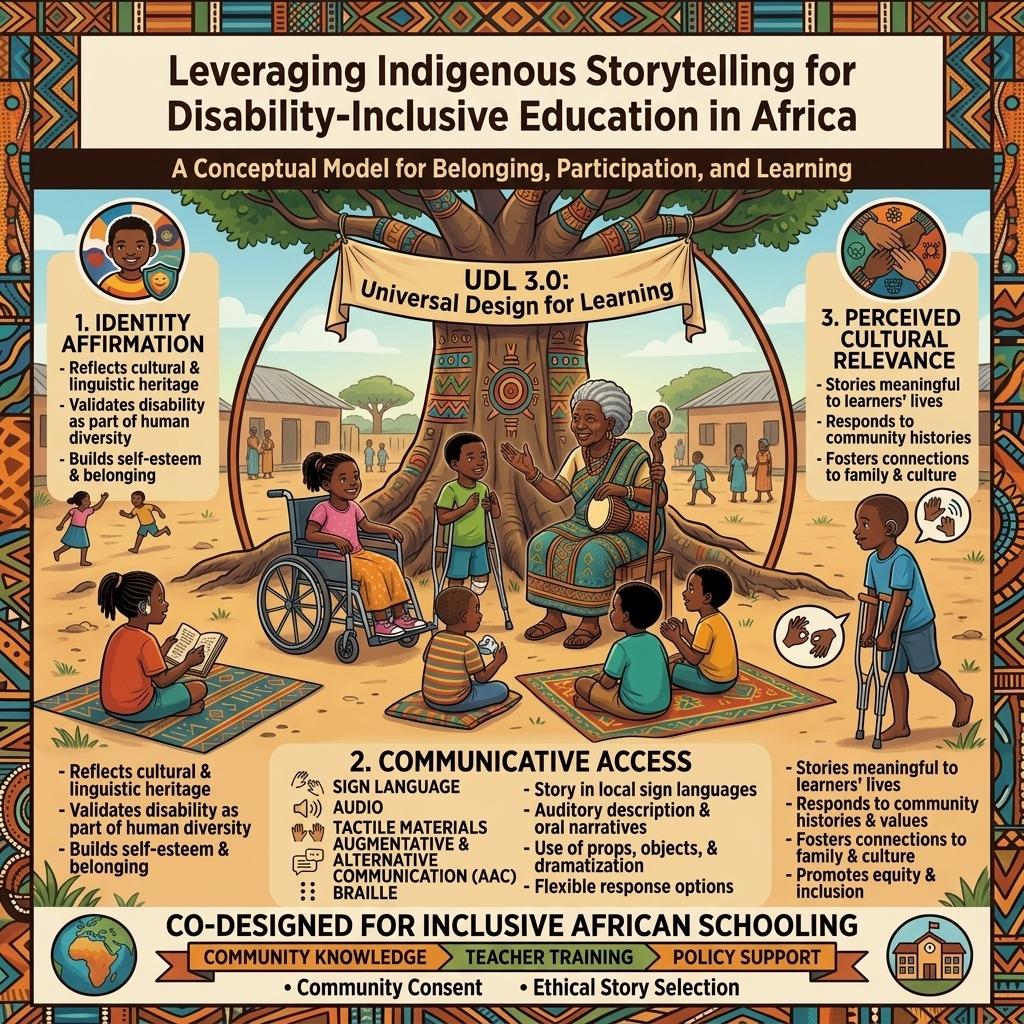
Leveraging Indigenous Storytelling For Disability Inclusive Education in Africa
By Rotarian Dr Doreen Myrie
Rotarian Donna Guerin
Inclusive education is a global commitment, yet its success depends on how well schools respond to local histories, languages, and the lived experiences of disabled learners. In African contexts—rich with diverse cultures, oral traditions, and multilingual realities—Indigenous storytelling offers a promising but often misunderstood pathway toward more inclusive learning. This article explores a new conceptual model that explains how culturally grounded storytelling, when intentionally designed and co‑created with communities, can strengthen access, participation, identity, and belonging for students with disabilities.
The Crossword Puzzle of Polio and Post-Polio Syndrome
By Professor Michael Kossove
Post-Polio Syndrome, or PPS, can sometimes feel like a crossword puzzle that nobody gave us the answers to. We know many of the clues. We recognize some of the symptoms. We can see the patterns. But putting all the pieces together has taken decades—and, for many polio survivors, the puzzle is still being solved.
For those of us who lived through polio, the first part of the story began long before anyone had heard the words Post-Polio Syndrome.
During the great polio epidemics of the 1940s and 1950s, the immediate concern was survival. Poliovirus could attack the nervous system and damage motor neurons, leaving some children and adults with paralysis, weakened muscles, breathing problems, and permanent disabilities. The medical community concentrated on getting patients through the acute illness and helping them recover as much function as possible
Why I Am A Strong Advocate for Polio Survivors — Even Though I Never Had Polio
By Ken Masson,
Past President,
Rotary Club of World Disability Advocacy (RCWDA)
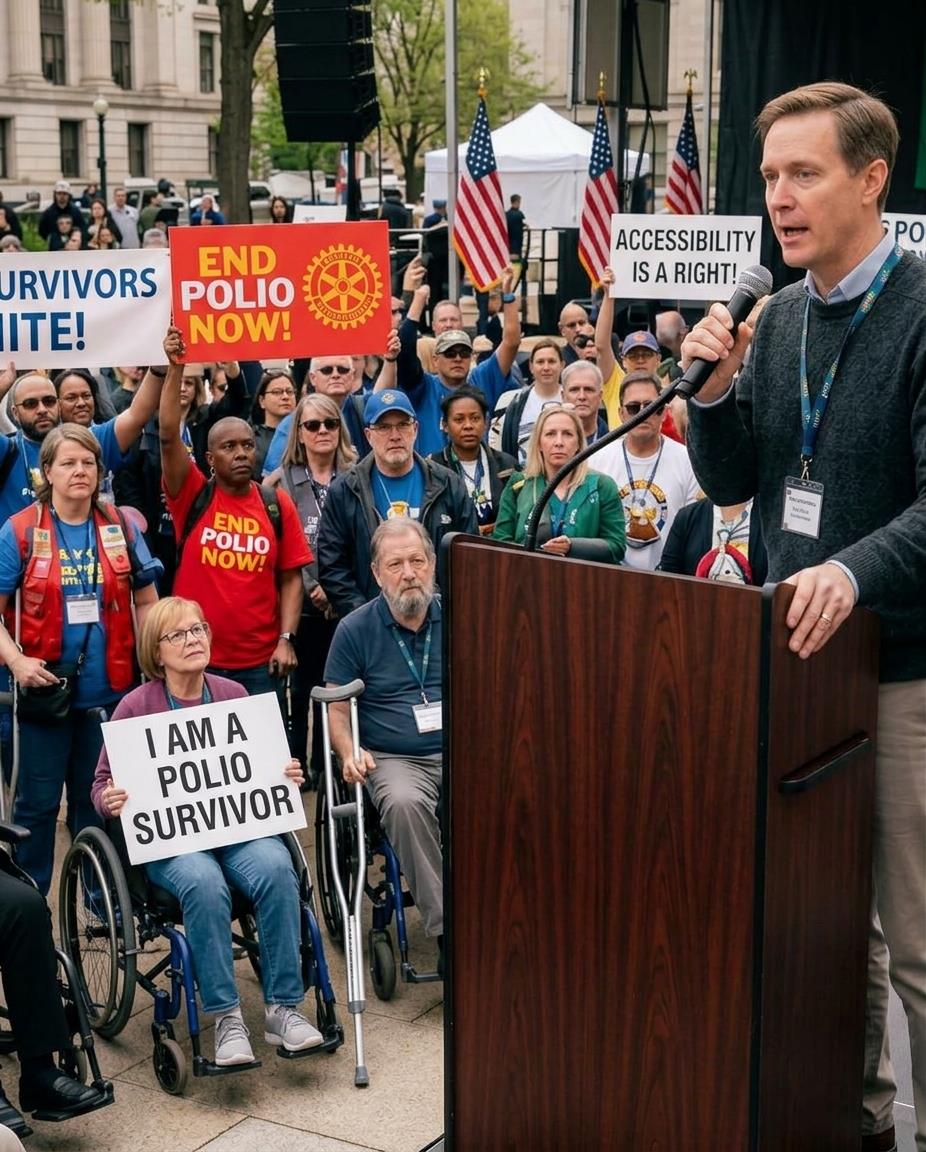
I am a strong advocate for supporting people who are polio survivors, but sometimes people ask me what my interest is because I never had polio. This is my answer in an article format Every October 24, the world celebrates Rotary’s fight to end polio. But for me, World Polio Day is also about the millions of survivors whose lives were shaped by the disease long after the virus faded from public attention. I never had polio. I never faced paralysis, braces, or the long road of rebuilding a life. Yet I am committed to supporting survivors — because polio didn’t end when transmission stopped. Many live with weakness, fatigue, chronic pain, mobility challenges, and post-polio syndrome.
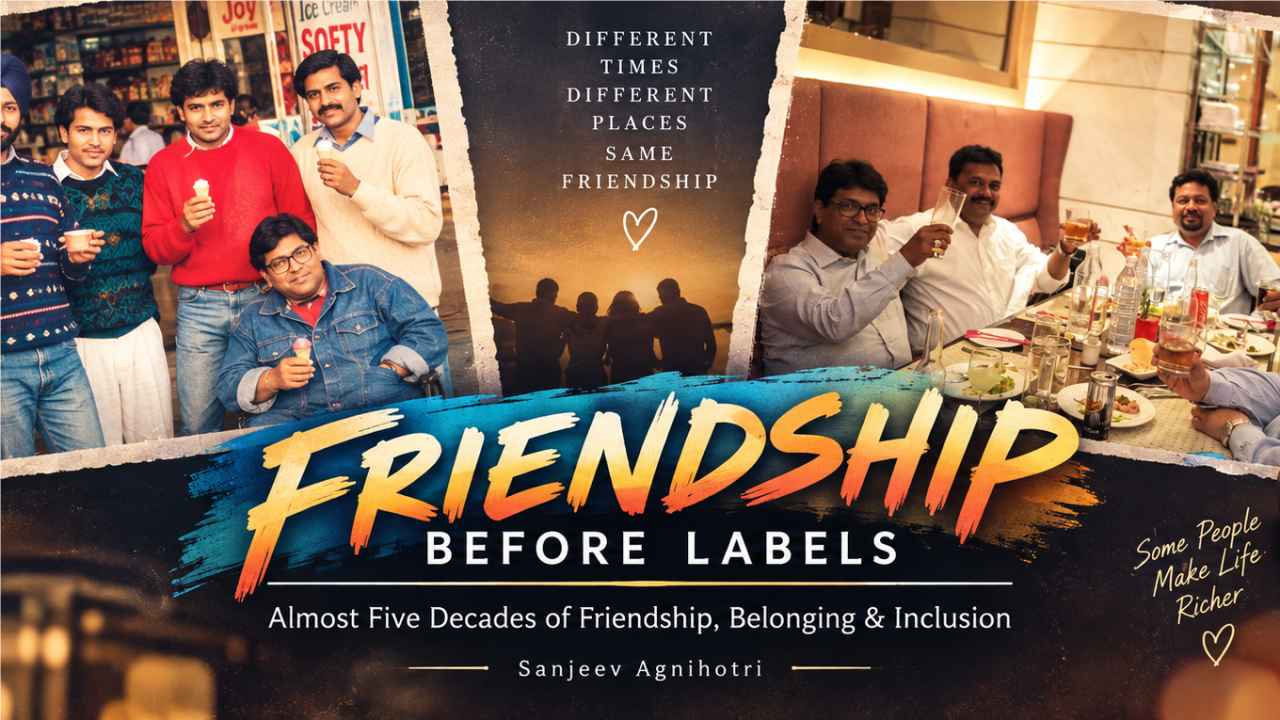
What almost five decades of childhood and college friendships taught me about friendship, belonging, inclusion and the values that shaped my life.
I know LinkedIn is not usually the place where we share the most personal parts of our lives. Most of us come here to talk about our work, professional achievements, leadership, ideas and causes we care about. Today, I want to make an exception. I want to talk about friendship.
The two photographs I am sharing with this article represent almost four to five decades of my life. One takes me back to friendships that began in childhood. The other represents friends from my college days. Looking at these photographs brought back countless memories, but it also made me realize something much deeper. These people helped shape the person I am today.
Belongingwithoutbarriers,Disabilityadvocacy,Friends who become family,Friendshipbeforelabels,Friendships that shape us,Life with purpose,Values that shape us,accessilbityforall,brotherhood,decades of Friendship,growing together,humanfirst,inclusiveaction,polio survivors,wheechair live stories
A new international video series, Strength in the Storm, launched this week to bring long-overdue attention to the intersection of mental health and disability. Rotarian Nisha Jose, a counseling professional from India, leads the series, focusing on emotional resilience and inclusive wellbeing.
Produced in partnership with the Rotary Club of World Disability Advocacy, the series addresses a growing concern among disability advocates: the lack of accessible, culturally sensitive mental-health guidance for people with disabilities.
Each episode explores these challenges through a practical, educational lens, offering strategies to strengthen emotional wellbeing, build supportive routines, and navigate daily stressors.
Strength in the Storm: Mental Health, Disability, and Resilience
Nisha Jose
2026-09-11 04:00:00Z
0
Nisha Jose,RCWDA,Rotary World Disability Advocacy,Strength in the Storm,accessible mental health,anxiety,burnout,caregivers,depression,disability,disability advocacy,disability inclusion,educators,emotional resilience,emotional wellbeing,global disability advocacy,inclusive support,inclusive wellbeing,mental health,mental health awareness,people with disabilities,supportive routines,trauma
Kindness and Literacy: Two Low-Cost Fixes for Scotland’s Neurodiverse Students
By Mark Stoddart Vice President Rotary Club of World Disability Advocacy
Recently, I took part in the final two-hour research session with the University of St Andrews in Scotland—one of the oldest universities in the English-speaking world, established in 1413.
The focus of the research was the intersection of Dyslexia and Mental Health, a topic deeply personal to me. Joined by two leading professors, our panel contributed to a vital initiative tied to Dyslexia Scotland’s original survey with Glasgow University and conducted in connection with the Scottish Government’s Education Department. The goal of this collaborative push is clear: implement tangible changes across the Scottish educational landscape to better support dyslexic and neurodiverse individuals.
During the discussion, I put forward two core recommendations for St Andrews to present directly to the Scottish Parliament.
Prioritize Inclusive Safety in Extreme Climate Events
NOTE: As powerful earthquakes shake communities across the globe, one truth becomes impossible to ignore: people with disabilities are often the most at risk and the least heard. To confront these rising concerns, we turned to Marta Almeida Gil of Brazil, a dedicated member of our club and a tireless advocate for disability inclusion in disaster response. Drawing from her work with survivors in Brazil, Marta offers vital insight into the fears, needs, and resilience of people with disabilities when catastrophe strikes. Here are her thoughts.
By Rotarian Marta Almeida Gil Rotary Club World Disability Advocacy Coordinador Ejecutivo en el Instituto de Estudios e Investigación Amankay
What Experts Say
“Disasters affect everyone, but they have a disproportionate impact on persons with disabilities, who continue to face barriers to participation and social exclusion.”
Mami Mizutori, UNDRR Assistant Secretary-General and Special Representative of the Secretary-General for Disaster Risk Reduction
“If disasters represent a great challenge for everyone, for those with disabilities the challenge is even greater. Flooded streets become veritable insurmountable mazes.”
Beto Pereira, President National Organization of the Blind in Brazil
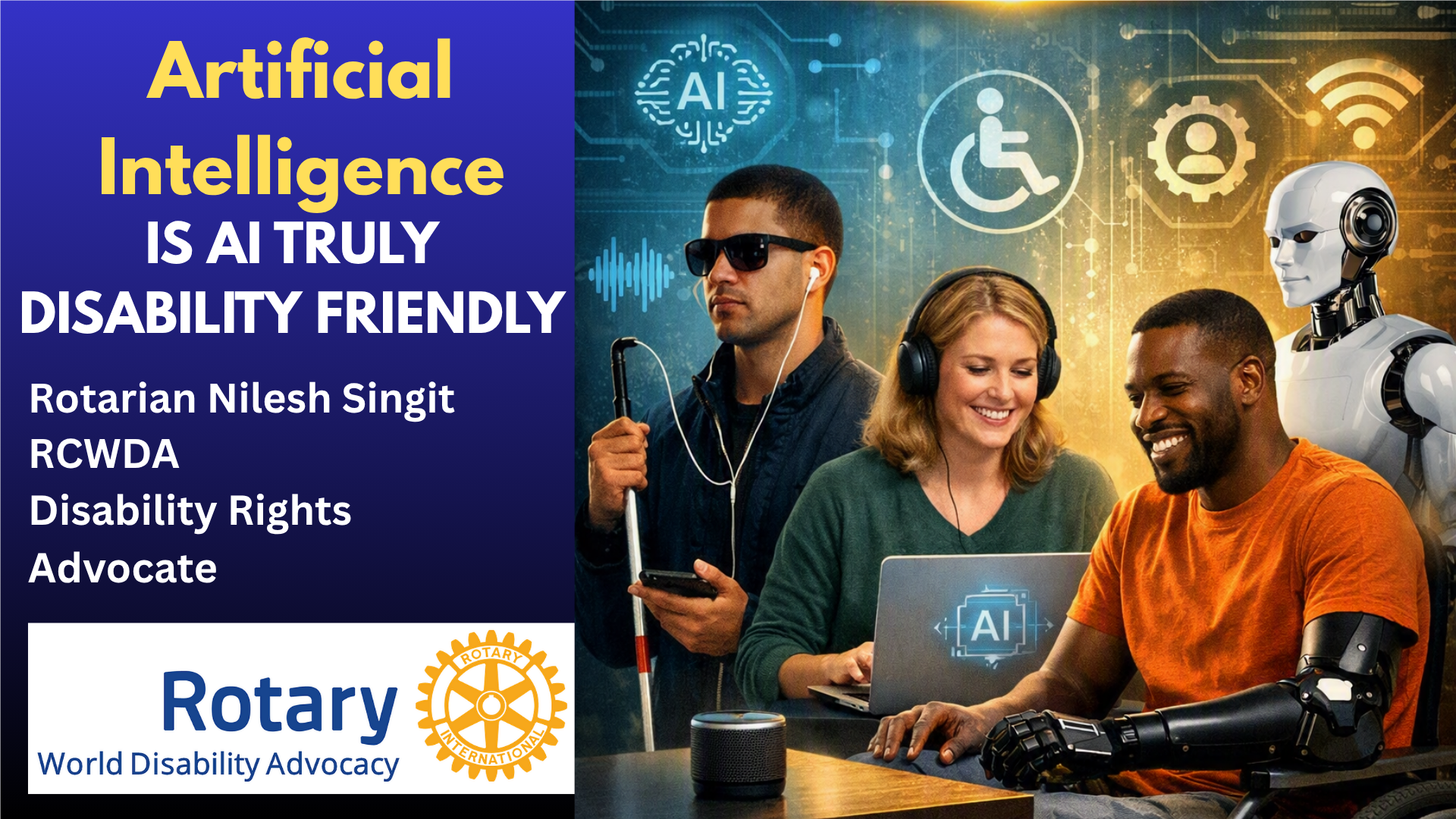
Is AI Truly Disability-Friendly? A Conversation We Can’t Ignore
Artificial Intelligence is reshaping our world at lightning speed—promising innovation, efficiency, and entirely new ways of living and working. Yet amid all the excitement, one essential question is too often overlooked: Is AI truly disability friendly?
As AI becomes woven into everyday life, persons with disabilities are experiencing both breakthroughs and barriers. Some tools open doors to communication, mobility, and independence. Others reinforce exclusion through biased algorithms, inaccessible interfaces, or design choices that ignore diverse needs.
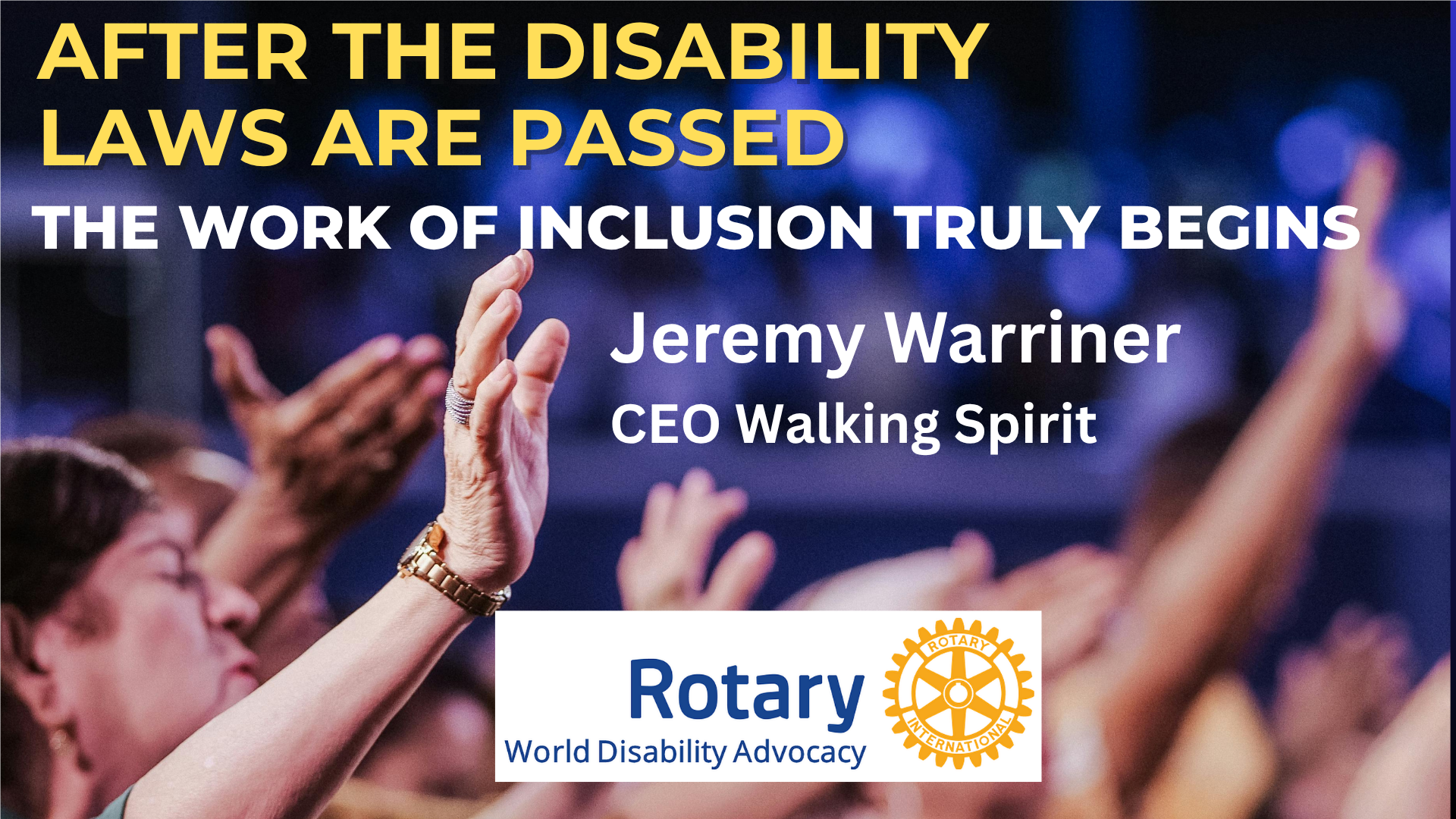
The Disability Rights Laws Are Passed, and Now The Work Isn't Done; It's Just Beginning
Once disability rights laws pass, the work isn't finished—it's just beginning. In this discussion with Rotarian Jeremy Warriner, CEO of Walking Spirit, we explore a powerful truth: laws don't implement themselves. People do. That responsibility falls on advocates, community leaders, families, and disability rights organizations, who must ensure every promise written on paper becomes a lived reality.
In this conversation, we break down:
Why passing a disability rights law is only the first step
How advocates monitor whether governments, schools, and institutions are actually complying
The importance of reporting violations and pushing for enforcement
Strategies communities can use to hold public officials accountable
How disabled people’s organizations (DPOs) lead the charge in implementation
Why cultural change and public pressure matter just as much as legislation
The message is simple and urgent: rights mean nothing without implementation. Advocates must stay engaged, stay vocal, and stay organized so that disability rights are respected not just in theory, but in everyday life. If you’re committed to inclusion, justice, and accountability, this discussion will give you the tools and inspiration to keep pushing forward.
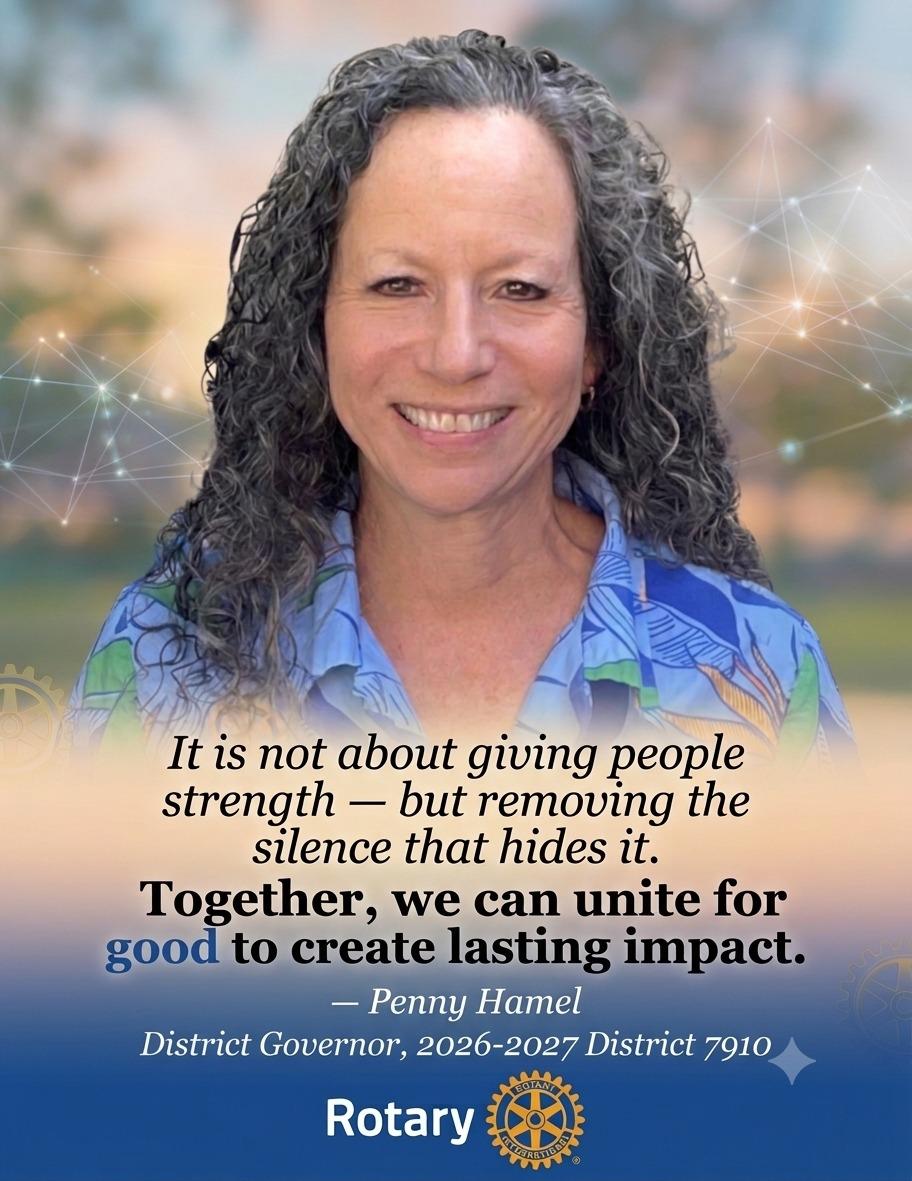
Create Lasting Impact: A Visit From The District Governor 7910
It is always a meaningful moment when a Rotary District Governor visits a club, and on August 10 the Rotary Club of World Disability Advocacy was honored to welcome DG Penny Hamel for a powerful virtual visit. She brought a message rooted in service, peace, and hope—values that resonate deeply with our mission. RCWDA is a global, cause-based Rotary club dedicated to advancing the human rights of people with disabilities. DG Penny’s presentation sparked an engaging and heartfelt dialogue among members, focusing on disability inclusion across Rotary and the urgent need for stronger advocacy worldwide. Her encouragement reminded us that Rotary’s commitment to dignity and equity must extend to every person, in every community.
District Governor,Penny Hamel,RCWDA,Rotary District 7910,Rotary International,Rotary World Disability Advocacy,Rotary service,accessibility,community impact,dignity and equity,disability advocacy,disability inclusion,disability rights,global advocacy,human rights,inclusive leadership
NOTE: Emily Ouimette, California, USA, is a dedicated member of the Rotary Club of World Disability Advocacy. She speaks candidly about bullying, misunderstanding, and the daily challenges of disability, transforming adversity into strength. Her journey reflects the resilience of millions—rising with dignity and determination—and her voice reminds us that every challenge can spark change.
Ken Masson, Founding Club President
My Path to Healing — and a Movement for Pride, Leadership, and Global Change
By Rotarian Emily Ouimette
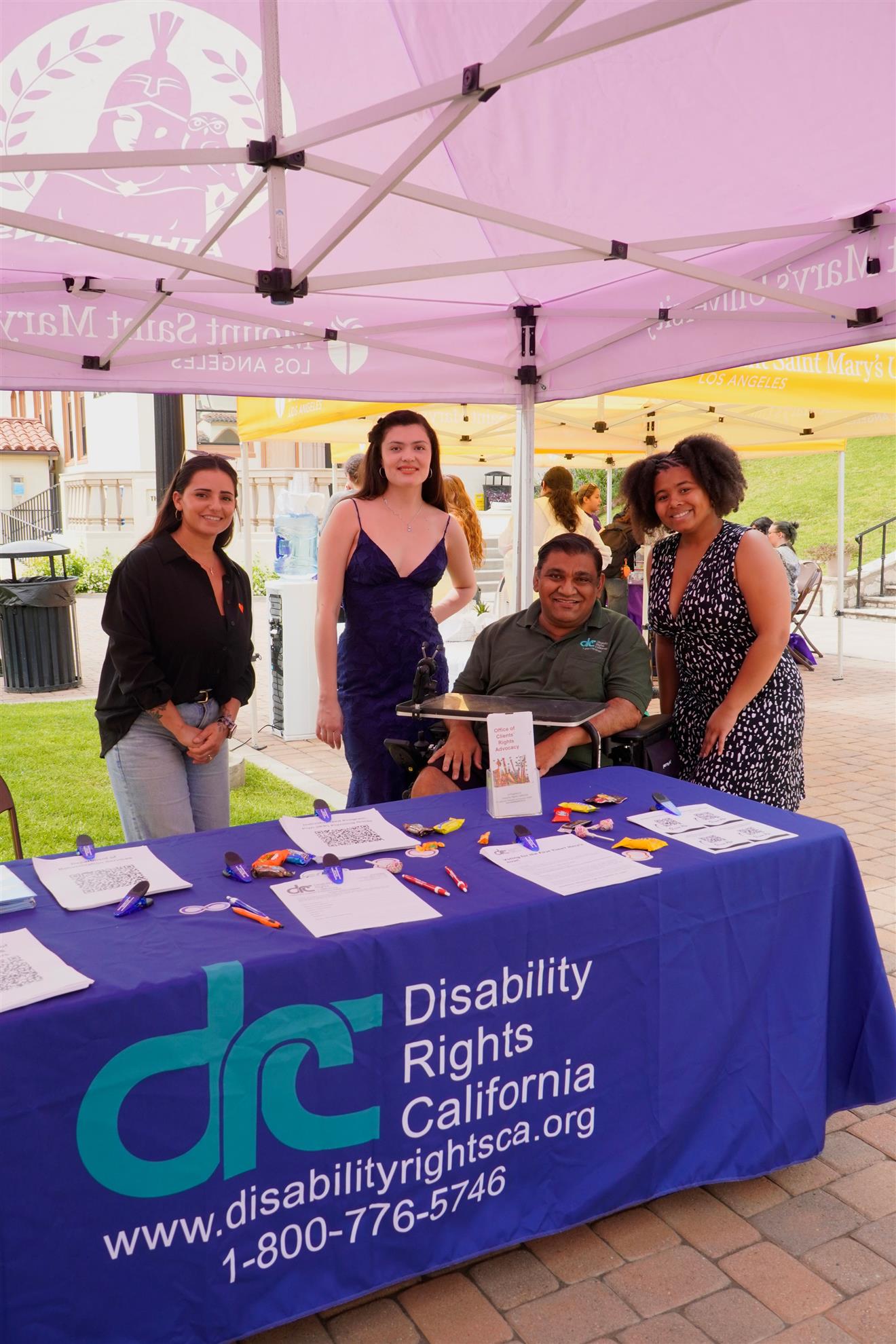
Starting a Disability Inclusion Week at Mt. Saint Mary’s University helped me heal from past trauma and bullying for being autistic. This event was supported by Disability Rights California and many other disability rights organizations; I’m pleased to say it was a success. In lieu of past painful experiences, I set out to create a safe space and a community of belonging and inclusion with this endeavor. I hoped to effect change and shift people’s minds and the stigmas surrounding disability. It is important for these kinds of events to be led by disabled people to maintain an authentic sense of authorship. We had over 120 students attend the Disability Inclusion Awareness Week. It was praised by the Student Government Association, University administration and staff, and most importantly, the student body.
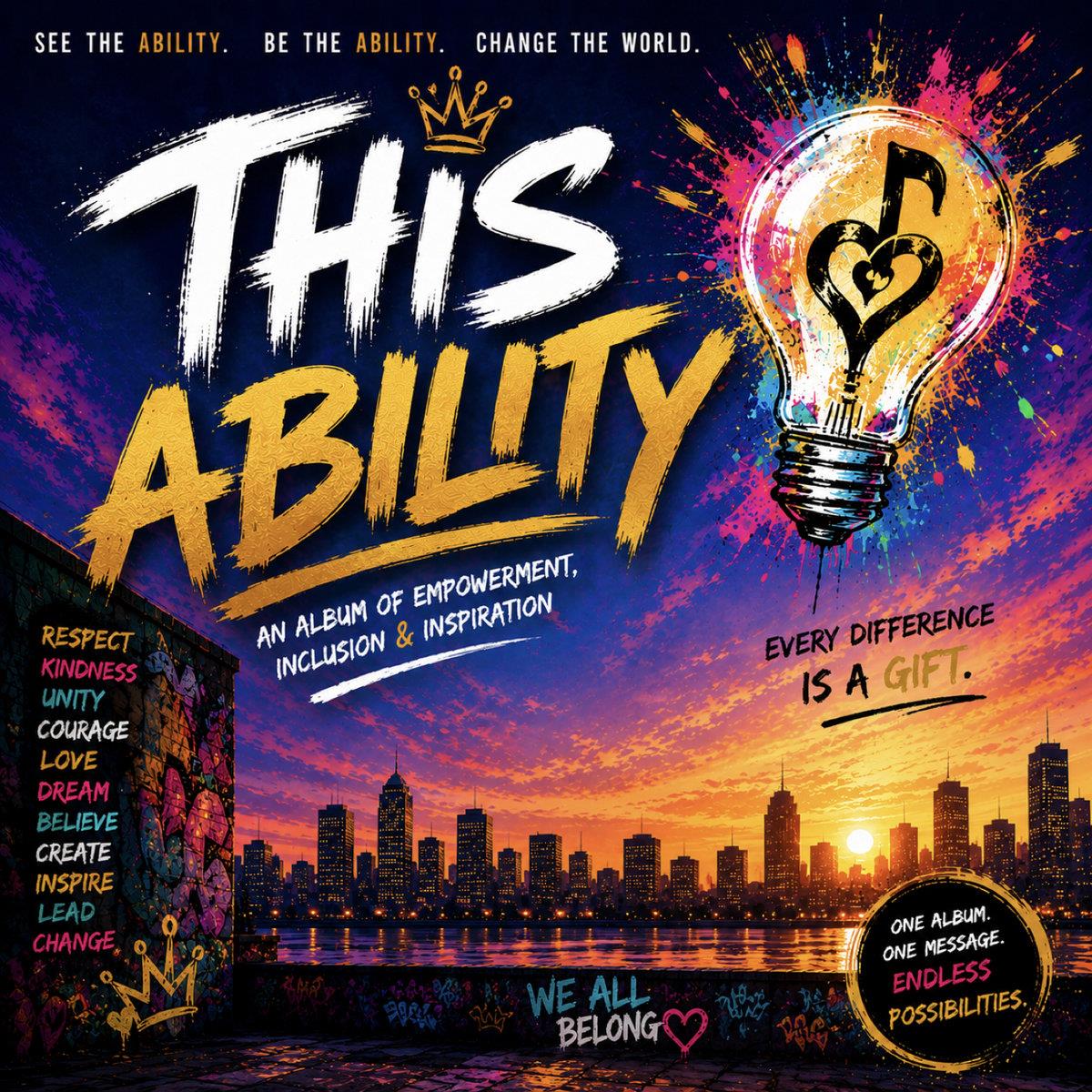
Musicians With Disabilities Create Global Music Album Celebrating Ability, Inclusion & Hope
An international album and fundraiser benefiting Rotary World Disability Advocacy during Disability Pride Month.
The Rotary Club of World Disability and Hip Hop Saves Lives is proud to announce the release of THIS ABILITY, an inspiring new music album that celebrates inclusion, empowers individuals of all abilities, and challenges the way the world thinks about disability. To preview and purchase the album, go to: preview and purchase THIS ABILITY on Bandcamp.
Global Music Album Featuring Musicians With Disabilities
Kenneth Masson
2026-08-04 04:00:00Z
0
Disability Pride Month,Hip Hop Saves Lives,Rotary World Disability Advocacy,THIS ABILITY,accessibility,artists with disabilities,disability advocacy,disability inclusion,disability pride,fundraising campaign,global collaboration,inclusion and empowerment,inclusive music,music for inclusion,musicians with disabilities
Disability Pride Month: Worldwide Call to Inclusion
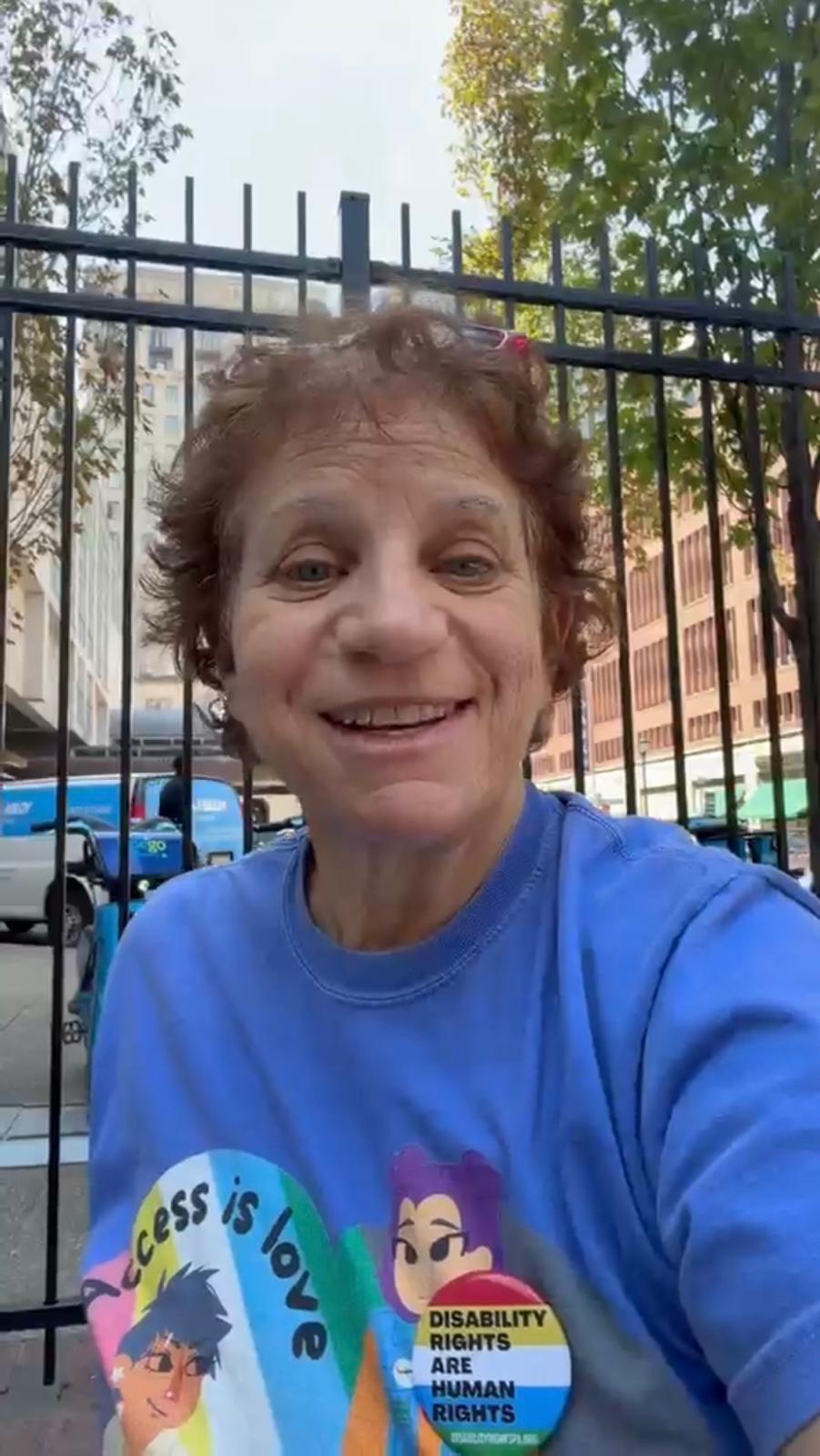
By Rotarian Angie Fuoco RCWDA Membership Officer
Disability Pride Month is celebrated in July in much of the world. Disability Pride means different things to different people. Read this article and check out the videos posted by members and a guest who share their thoughts on Disability Pride.
From Steps to Equality: A Polio Survivor’s Journey Through Disability Pride in India, Canada, and Beyond
By Sanjeev Agnihotri Treasurer, Rotary Club of World Disability Advocacy (RCWDA)
Every July, the world pauses to celebrate Disability Pride Month a movement meant to honour disabled identity, culture, and resilience. But Disability Pride did not begin as a celebration. It began as a struggle, a crawl, and a demand for dignity.
On March 12, 1990, dozens of disabled activists gathered at the foot of the U.S. Capitol. Among them were leaders whose names have become synonymous with disability rights: Judith Heumann, Holly Anderson, Michael Winter, Bob Kafka, and many others from Americans Disabled for Attendant Programs Today (ADAPT). They removed their wheelchairs, crutches, and mobility aids and began to crawl up all 83 steps of the Capitol building.
The 5th Anniversary of the Rotary Club of World Disability Advocacy
By Ken Masson, Charter President
Five years ago, a bold idea took shape — that a Rotary club could exist not just for people with disabilities, but with them, led by them, and centered on their human rights. On this anniversary, the Rotary Club of World Disability Advocacy stands as a global movement spanning continents, cultures, and lived experiences, united by one conviction: disability inclusion is not charity; it is justice.
From its earliest days, the club set out to challenge the world’s assumptions about disability. Instead of focusing on deficits, it elevated dignity. Instead of speaking for communities, it amplified their voices. Instead of waiting for change, it built it — through policy advocacy, inclusive education initiatives, health equity campaigns, and cross-border partnerships that now reach more than 40 countries. What began as a small circle of determined advocates has grown into a worldwide network of leaders reshaping how societies understand accessibility, participation, and human rights.
Rotary Club of World Disability Advocacy,5th anniversary,Ken Masson,RCWDA,Rotary,Rotary Club of World Disability Advocacy,Rotary International,accessibility,accessible communities,community leadership,disability advocacy,disability inclusion,disability leadership,disability rights,diversity and inclusion,global impact,health equity,human rights,inclusive education,international partnerships
Advancing Global Disability Health Through Dignity, Innovation, and Inclusion
The Rotary Club of World Disability Advocacy (RCWDA) will host its flagship Health Summit 2026 on June 26–27, bringing together global leaders, clinicians, advocates, and people with disabilities for two days of powerful dialogue and action. Held virtually and free to the public, the summit is designed to elevate patient‑centered care, expand accessibility, and strengthen health systems that honor dignity across the life course.
With members from more than 40 countries, RCWDA continues to champion the principle “Nothing About Us Without Us”—and this year’s summit embodies that mission with a program rich in expertise, lived experience, and forward‑looking solutions
Ableism, Body Shaming, and the Silent Pain Many Disabled People Carry
By Sanjeev Agnihotri
Treasurer, Rotary Club of World Disability Advocacy (RCWDA)
Recently, I came across a social media post by a #disabled influencer from India who shared a video about her broken wheelchair. What disturbed me more than the video itself was one cruel comment from a man who body shamed her and questioned why she was using a wheelchair instead of “fixing” herself.
That comment brought back many painful memories from my own life. I am a polio survivor and presently living with #PostPolioSyndrome.
Throughout my childhood and even into my adult years, I experienced body shaming and ableism from both children and adults.
Turning tension into trust, alignment, and stronger teams.
Conflict is inevitable wherever people work together — but unresolved conflict is costly. Leaders who understand conflict resolution don’t just prevent problems; they strengthen teams, protect trust, and create environments where people feel safe to speak honestly. When leaders can recognize tension early, listen with empathy, and guide people toward shared understanding, they turn potential breakdowns into breakthroughs.
Effective conflict resolution is ultimately a leadership skill that builds healthier relationships, clearer communication, and more resilient organizations. Leaders who master it don’t just manage disagreements — they transform them into opportunities for growth, alignment, and stronger collaboration.
Understanding the Long-Term Impact of Post-Polio Syndrome
By RotarianDr. Carles Fontcuberta Rotarian Dr. Martha Castilleja
Post-polio syndrome (PPS) is a late-onset condition that affects individuals decades after an initial poliomyelitis infection, often emerging quietly and without immediate recognition. In this article, Dr. Carles Fontcuberta and Dr. Martha Castilleja explore the clinical, neurological, and social dimensions of PPS, highlighting its progressive nature and the challenges it presents for both patients and healthcare systems.
Although global efforts have brought the world closer to eradicating polio, the long-term consequences of the disease continue to impact millions of survivors. PPS illustrates how the effects of past health crises can persist across decades, requiring ongoing medical attention, awareness, and research. Its symptoms, ranging from severe fatigue to progressive muscle weakness, often overlap with other conditions, making diagnosis complex and frequently delayed.
Beyond its clinical aspects, PPS raises important questions about long-term care, accessibility, and quality of life. The article emphasizes the need for interdisciplinary approaches, patient-centered care, and greater awareness among professionals and society. As we move forward in global health, PPS serves as a reminder that eradicating a disease does not necessarily mean ending its impact.
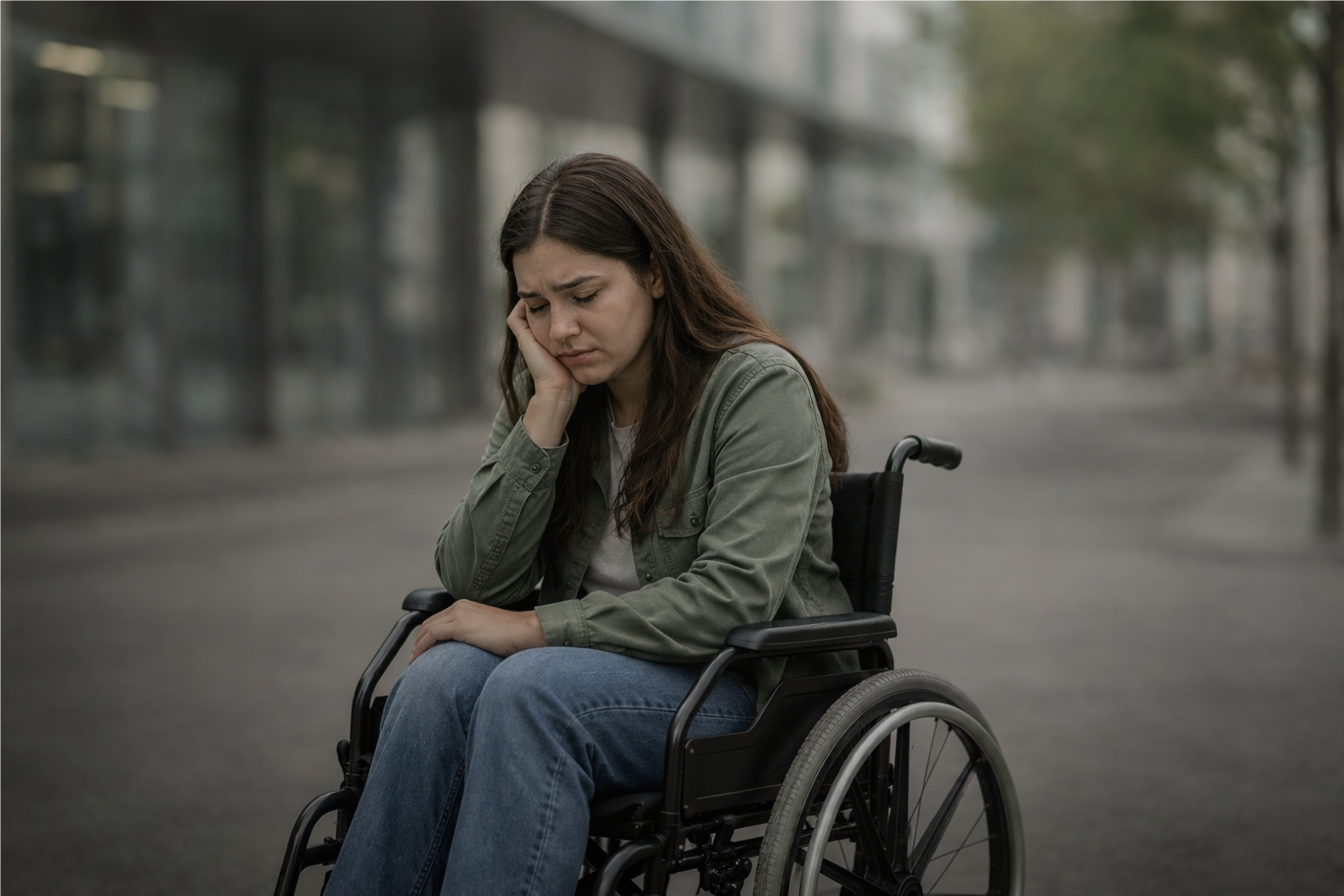
In times of crisis, emergency systems are meant to protect lives, but they do not always reach everyone equally. For many Deaf and disabled people, warning signals, evacuation instructions, and emergency information may be inaccessible, delayed, or entirely absent, turning already dangerous situations into even greater risks.
This article highlights the testimony of Kashaf Alvi, a Deaf and non-verbal disability advocate based in Dubai, featured by Disability Justice Project in its global conflict series. His message draws attention to the reality that inaccessibility during emergencies is not a secondary issue, but a direct threat to dignity, safety, and survival for millions of people with disabilities around the world.
By connecting this experience to the principles of the UN Convention on the Rights of Persons with Disabilities, the publication reinforces a simple but urgent point: accessibility in emergencies is a human right. In moments of conflict, disaster, and unrest, inclusion must not be treated as an afterthought, but as an essential part of every response.
International Women’s Day is a moment to recognize the strength, resilience, and achievements of women across the world. For those working in disability advocacy, it is also an opportunity to celebrate the leadership and determination of women with disabilities who continue to challenge barriers and reshape how society understands ability, dignity, and independence.
In this reflection, Sanjeev Agnihotri honors the remarkable women connected to the Rotary Club of World Disability Advocacy (RCWDA) and acknowledges the many others whose work, guidance, and support strengthen the global movement for inclusion. From internationally recognized leaders to women whose courage is expressed through everyday perseverance, their stories remind us that progress is built through determination, compassion, and collective action.
The article also offers a deeply personal perspective, recognizing the quiet but powerful influence of the author’s wife, whose resilience and dedication have supported both family life and his continued advocacy work. Through this tribute, the message of International Women’s Day becomes clear: true inclusion requires recognizing the leadership, contributions, and lived experiences of women with disabilities everywhere.
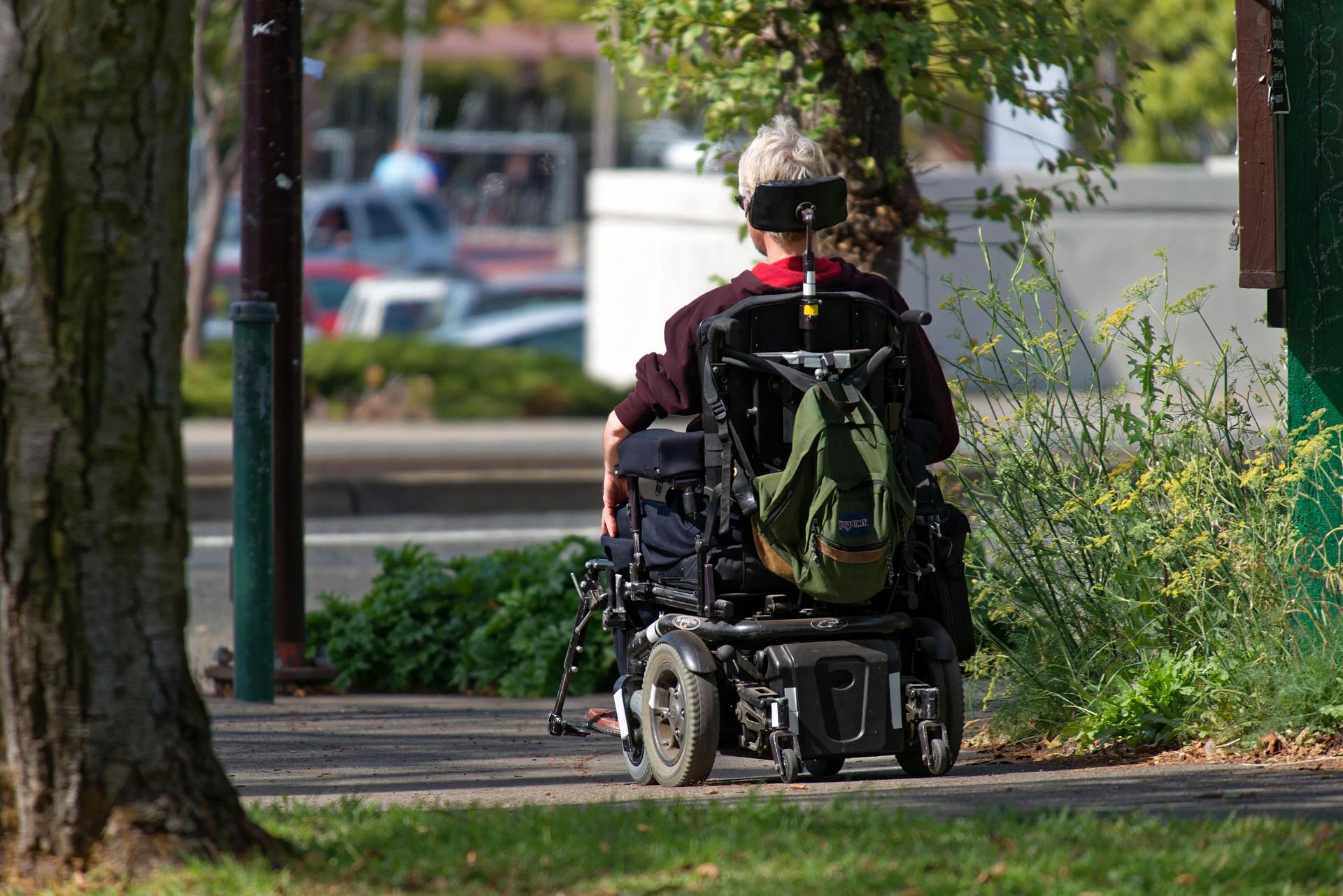
Celebrating Freedom on International Wheelchair Day
On International Wheelchair Day, our Treasurer, Sanjeev Agnihotri, shares a deeply personal reflection on what his wheelchair truly means to him.
For Sanjeev, his wheelchair is not a symbol of limitation — it is a symbol of liberation. It represents movement, independence, dignity, and the ability to fully participate in life. It has supported him through personal milestones, professional achievements, social contributions, and advocacy efforts.
In his words, the wheelchair has “carried me when my body couldn’t” and given him the courage to step forward, speak up, and stand tall — even while seated. Where others may see restriction, he sees possibility, strength, and partnership.
This heartfelt tribute reminds us that assistive devices are not constraints — they are enablers of opportunity and inclusion. However, true freedom goes beyond mobility. It requires a world designed with accessibility at its core.
As we reflect on this powerful message, we are reminded that accessibility and inclusion are not optional — they are essential.
A short reflection by Sanjeev Agnihotri on a missing piece of inclusive education that rarely gets discussed: accessible, reliable, and dignified transportation. He invites readers to look beyond policies and promises and ask a practical question, how do students with disabilities actually get to school, and what changes when transit is treated as essential educational infrastructure.
International Day of Persons with Disabilities: A Reflection From the Heart
A reflection by Sanjeev Agnihotri, Treasurer of the Rotary Club of World Disability Advocacy, on why he chose to share his thoughts after the International Day of Persons with Disabilities, inviting readers to look beyond one-day awareness posts. He highlights both recent progress and ongoing gaps in disability rights worldwide, and introduces the AgniSanju Disability Talk Series as a space for honest, solution-focused conversations.
Heart, Hands, and Hope: My Journey as Co-President of RCWDA
A reflection by Dr. Aderonke Adejuyigbe, Co-President of RCWDA and long-time disability-rights advocate, on how empathy, lived experience as a caregiver, and inclusive leadership guide her work. She highlights the importance of the Caregiver Support Group and the Member Mentorship program in fostering support, solidarity, and resilience across our global community.
A reflection by Dr. Martha Castilleja, a Mexican Medical Doctor, polio survivor, health editor, former director of an Alzheimer’s Therapeutic Center, and current Vice President of the Rotary World Disability Advocacy Group, on why advocacy is a core part of professional responsibility.
The Rotary Club of World Disability Advocacy (RCWDA) is committed to making its digital spaces more inclusive and aligned with the Web Content Accessibility Guidelines (WCAG 2.2), now recognized as an international ISO standard. This article highlights our ongoing work to improve accessibility and our belief that an inclusive digital world benefits everyone.
Inclusive Education Summit — Learning Without Barriers
The second annual Inclusive Education Summit, hosted by the Rotary Club of World Disability Advocacy (RCWDA), brought together a truly global network of educators, advocates, and leaders under one mission: ensuring learning without barriers.
Held online over 18 continuous hours with presenters from more than 30 countries, the summit showcased practical solutions, artistic expressions, and lived experiences that redefined what inclusive education can look like.
By leveraging Rotary’s worldwide network and the power of digital collaboration, RCWDA transformed conversation into collective action — inspiring ongoing projects that advance accessible, equitable education for all.
Accessibility,Advocacy,Assistive Technology,Disability Inclusion,Diversity and Inclusion,Education for All,Global Summit,Inclusion,Inclusive Education,Learning Without Barriers,RCWDA,Rotary Club of World Disability Advocacy,Rotary International,Special Education
 reen Myrie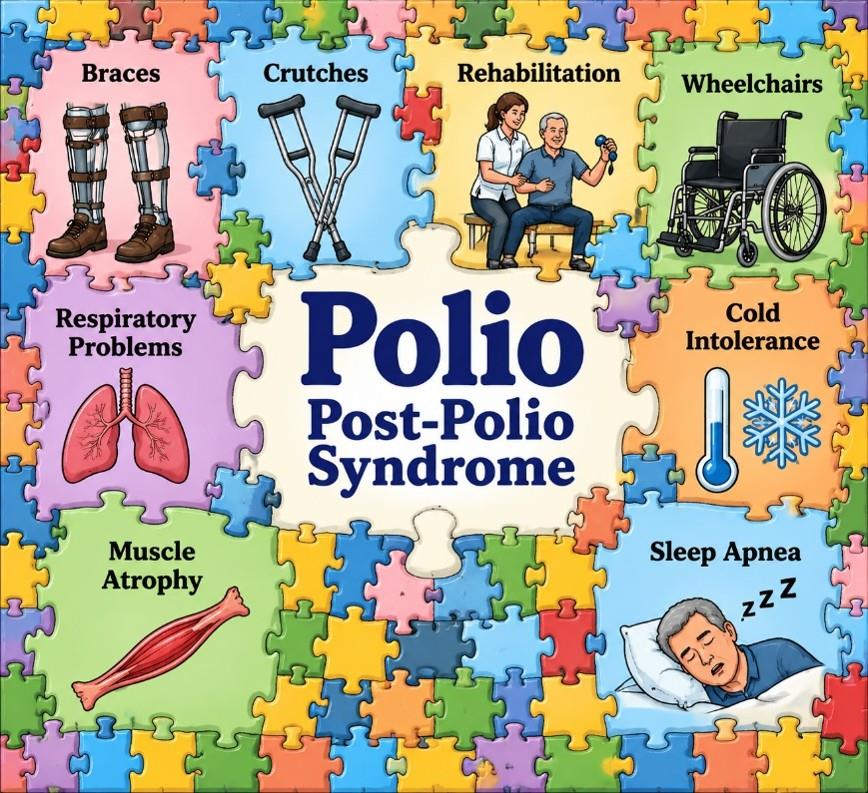

 By Rotarian Angie Fuoco
 By Sanjeev Agnihotri
 By Ken Masson, Charter President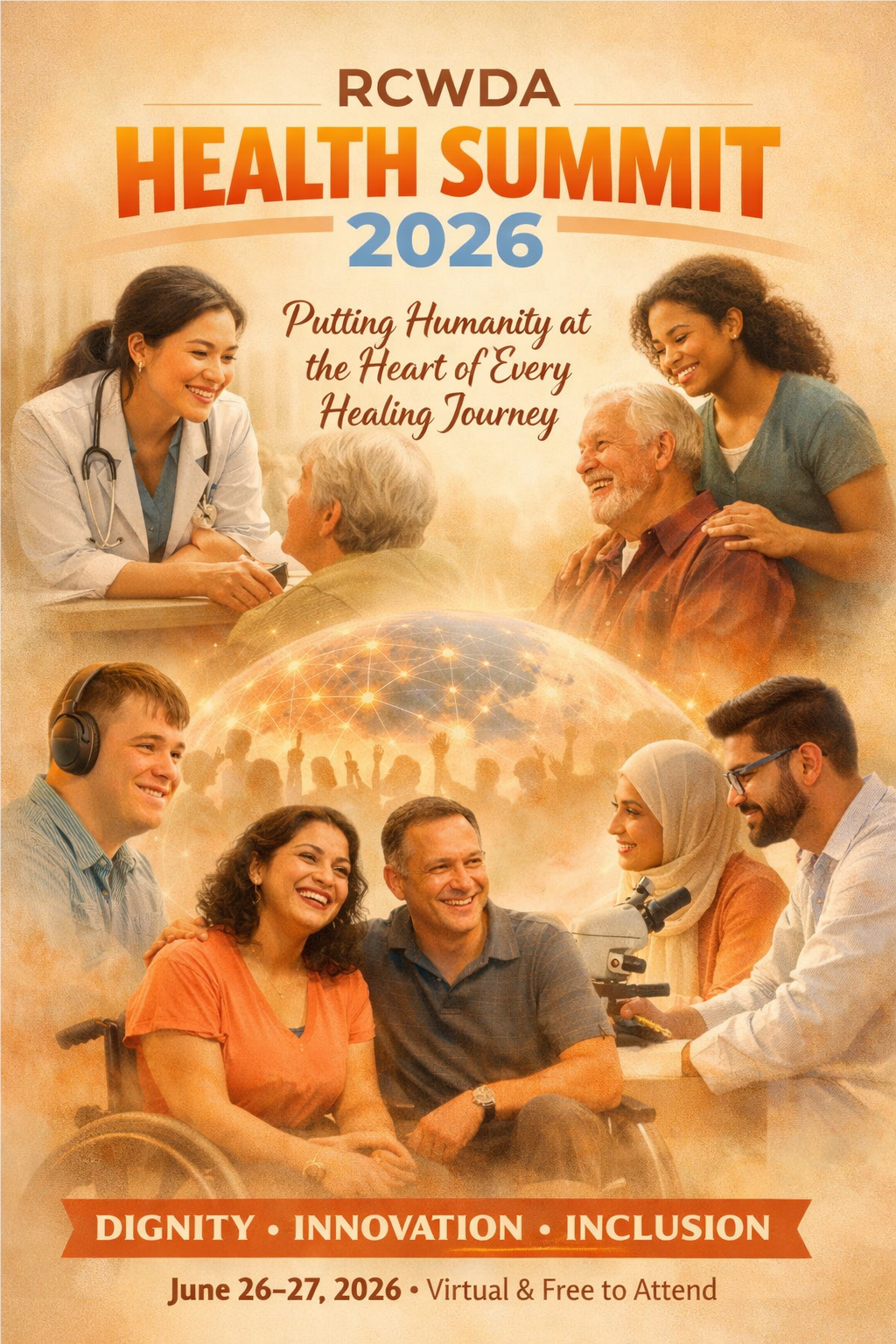

 By Rotarian Dr. Carles Fontcuberta
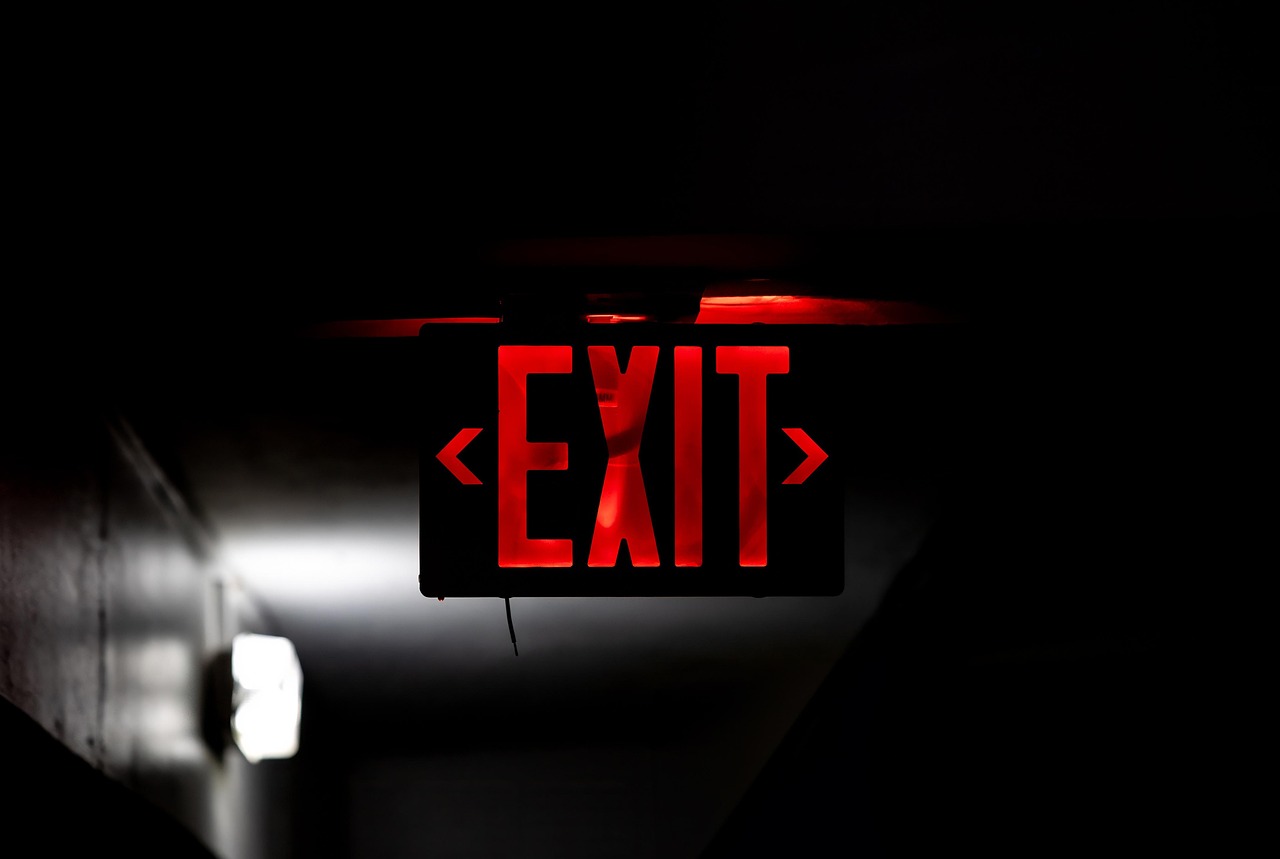 In times of crisis, emergency systems are meant to protect lives, but they do not always reach everyone equally. For many Deaf and disabled people, warning signals, evacuation instructions, and emergency information may be inaccessible, delayed, or entirely absent, turning already dangerous situations into even greater risks.
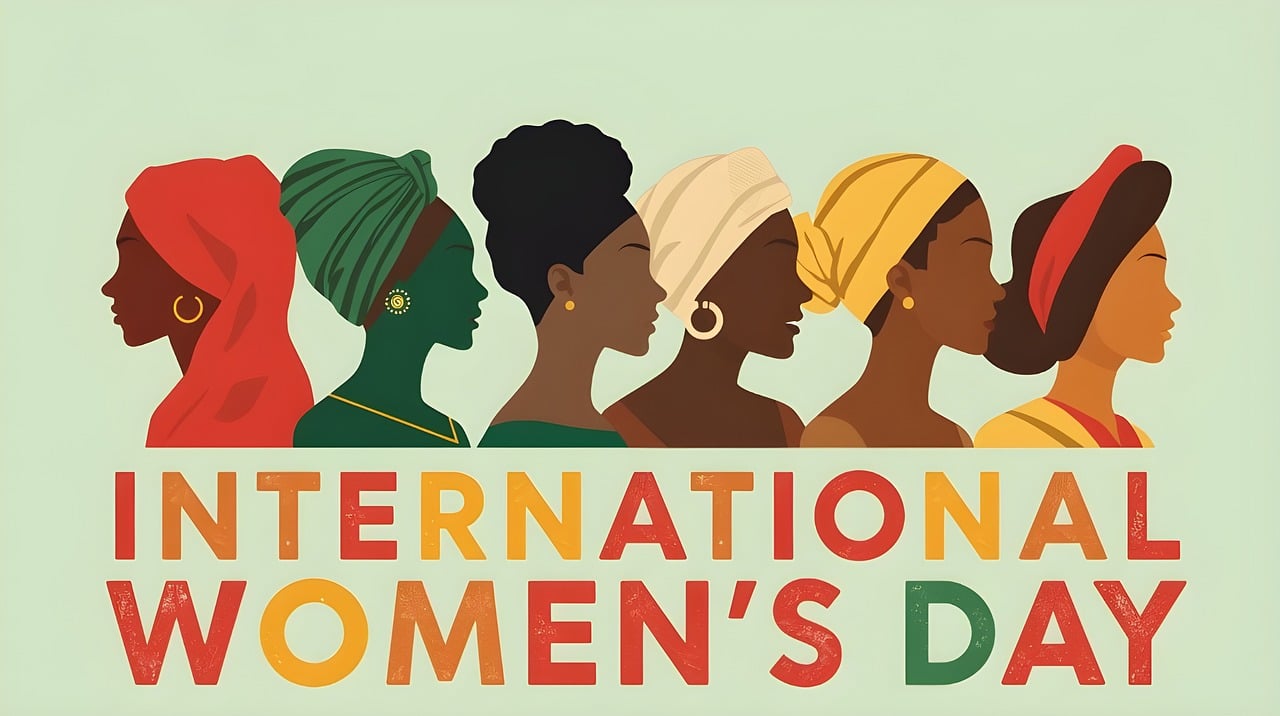 International Women’s Day is a moment to recognize the strength, resilience, and achievements of women across the world. For those working in disability advocacy, it is also an opportunity to celebrate the leadership and determination of women with disabilities who continue to challenge barriers and reshape how society understands ability, dignity, and independence.
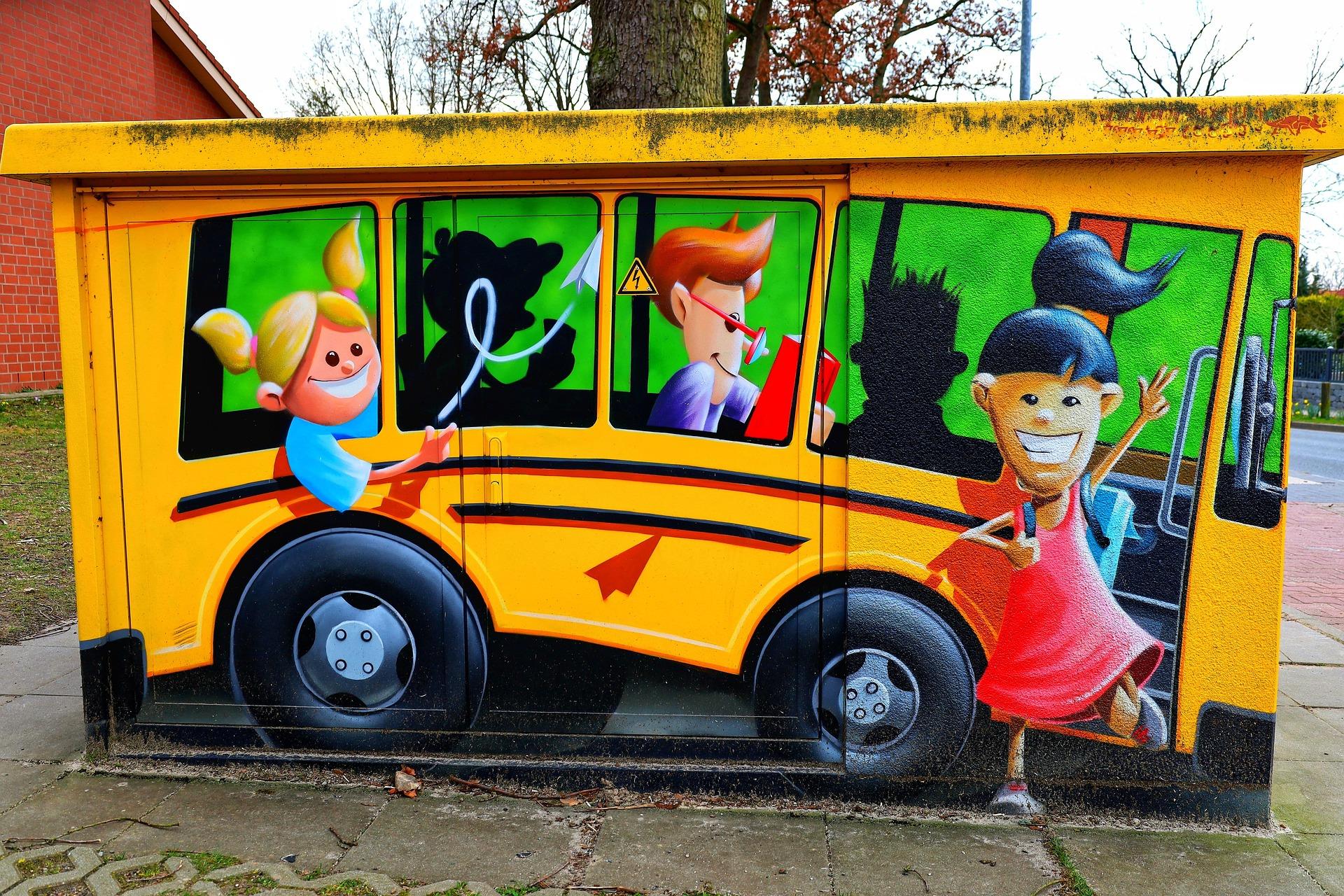 A short reflection by Sanjeev Agnihotri on a missing piece of inclusive education that rarely gets discussed: accessible, reliable, and dignified transportation. He invites readers to look beyond policies and promises and ask a practical question, how do students with disabilities actually get to school, and what changes when transit is treated as essential educational infrastructure.
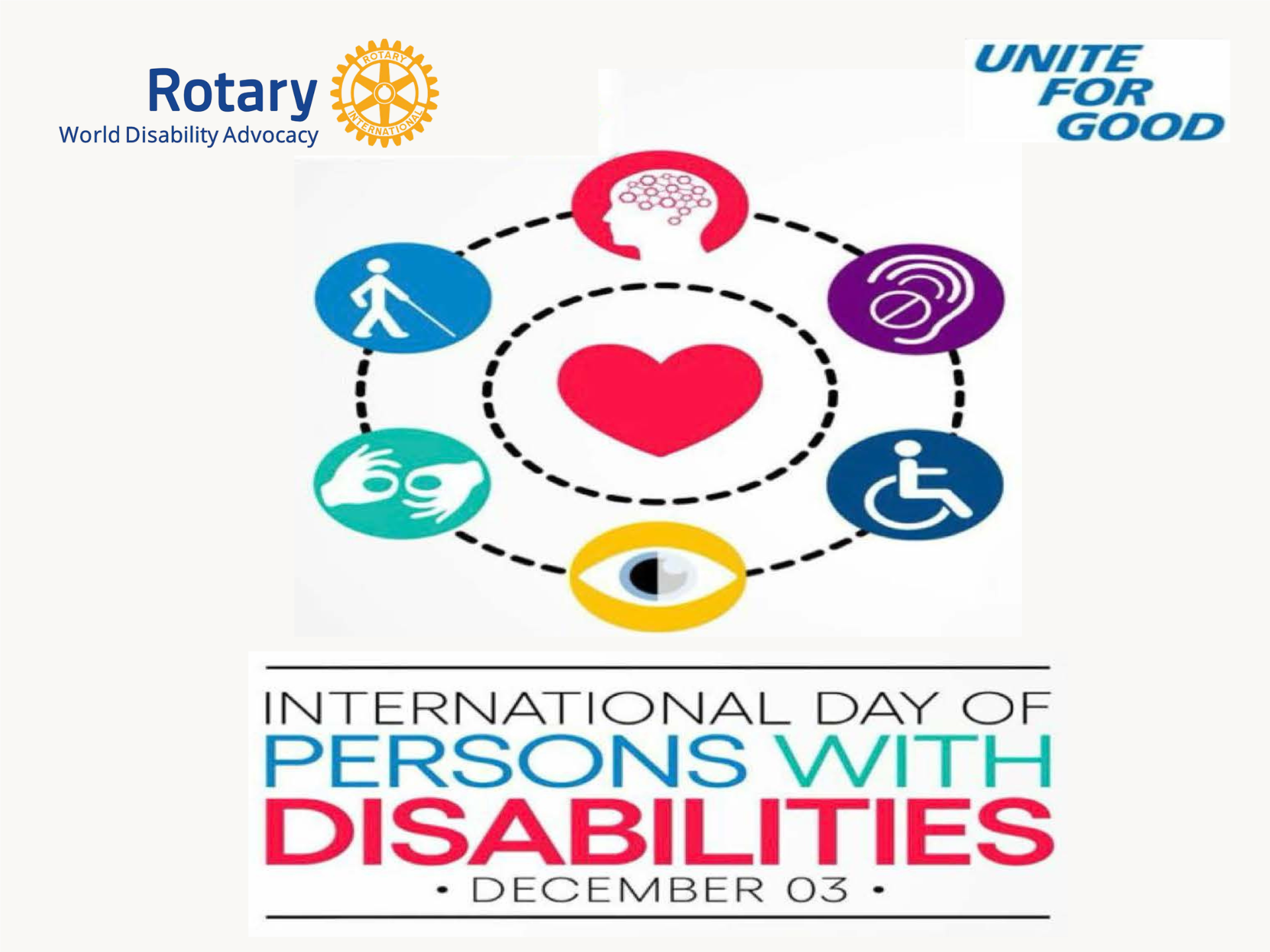 A reflection by Sanjeev Agnihotri, Treasurer of the Rotary Club of World Disability Advocacy, on why he chose to share his thoughts after the International Day of Persons with Disabilities, inviting readers to look beyond one-day awareness posts. He highlights both recent progress and ongoing gaps in disability rights worldwide, and introduces the AgniSanju Disability Talk Series as a space for honest, solution-focused conversations.
 A reflection by Dr. Aderonke Adejuyigbe, Co-President of RCWDA and long-time disability-rights advocate, on how empathy, lived experience as a caregiver, and inclusive leadership guide her work. She highlights the importance of the Caregiver Support Group and the Member Mentorship program in fostering support, solidarity, and resilience across our global community.
 A reflection by Dr. Martha Castilleja, a Mexican Medical Doctor, polio survivor, health editor, former director of an Alzheimer’s Therapeutic Center, and current Vice President of the Rotary World Disability Advocacy Group, on why advocacy is a core part of professional responsibility.
 The Rotary Club of World Disability Advocacy (RCWDA) is committed to making its digital spaces more inclusive and aligned with the Web Content Accessibility Guidelines (WCAG 2.2), now recognized as an international ISO standard. This article highlights our ongoing work to improve accessibility and our belief that an inclusive digital world benefits everyone.
 The second annual Inclusive Education Summit, hosted by the Rotary Club of World Disability Advocacy (RCWDA), brought together a truly global network of educators, advocates, and leaders under one mission: ensuring learning without barriers.