Understanding the Long-Term Impact of Post-Polio Syndrome
 By Rotarian Dr. Carles Fontcuberta
Rotarian Dr. Martha Castilleja
Post-polio syndrome (PPS) is a late-onset condition that affects individuals decades after an initial poliomyelitis infection, often emerging quietly and without immediate recognition. In this article, Dr. Carles Fontcuberta and Dr. Martha Castilleja explore the clinical, neurological, and social dimensions of PPS, highlighting its progressive nature and the challenges it presents for both patients and healthcare systems.
Although global efforts have brought the world closer to eradicating polio, the long-term consequences of the disease continue to impact millions of survivors. PPS illustrates how the effects of past health crises can persist across decades, requiring ongoing medical attention, awareness, and research. Its symptoms, ranging from severe fatigue to progressive muscle weakness, often overlap with other conditions, making diagnosis complex and frequently delayed.
Beyond its clinical aspects, PPS raises important questions about long-term care, accessibility, and quality of life. The article emphasizes the need for interdisciplinary approaches, patient-centered care, and greater awareness among professionals and society. As we move forward in global health, PPS serves as a reminder that eradicating a disease does not necessarily mean ending its impact.
Is it the same as polio? The answer is no, but their histories are deeply intertwined.
Post-polio syndrome (PPS) is a late-onset neurological condition that affects exclusively individuals who have previously had poliomyelitis (infantile paralysis or polio). In other words, it cannot exist without a prior infection by the poliovirus, which defines not only its conceptual relationship but also its biological origin.
While poliomyelitis is an acute infectious disease caused by an enterovirus, PPS appears decades later as a progressive neurodegenerative process. Unlike the initial infection, there is no evidence of viral persistence in this late stage, and its exact mechanism remains under investigation.
The most widely accepted theories point to progressive deterioration of hypertrophied motor neurons that survived the original infection and have worked for years under metabolic overload, low-grade inflammatory processes, and possible alterations in central regulation of exertion. However, none of these hypotheses has been conclusively proven.
A Problem from the Past… Still Present
At the same time, the world has made extraordinary progress in eradicating wild poliovirus thanks to a global alliance led by international organizations: the Global Polio Eradication Initiative (GPEI), which includes WHO, UNICEF, CDC, GAVI, the Bill & Melinda Gates Foundation, and Rotary International.
This coordinated effort has eliminated wild poliovirus serotypes 2 and 3 and restricted serotype 1 circulation to very specific regions of Afghanistan and Pakistan.
However, a significant epidemiological challenge remains: circulating vaccine-derived polioviruses (cVDPV), which can spread in populations with low vaccination coverage.
This risk is substantial and requires continued vigilance, as these viruses have even been detected in wastewater in countries where polio was considered eradicated. Environmental surveillance, constant epidemiological monitoring, sustained vaccination, and a gradual transition to inactivated vaccines are essential to prevent outbreaks.
Decades of Silence Before Symptoms
PPS was recognized as an independent clinical entity in 2010 and classified by the WHO under the International Classification of Diseases (ICD-10) with the code G14.
Its prevalence is increasing due to the long interval between the initial infection and symptom onset, which can range from 40 to 60 years. This delay means many patients seek care at older ages, often with comorbidities that can mask PPS.
The course of PPS is slowly progressive and irreversible, without direct life-threatening impact, but with significant functional consequences.
Symptoms Beyond Fatigue
Common manifestations include:
- Severe fatigue disproportionate to effort
- Progressive muscle weakness
- Musculoskeletal pain
- Cold intolerance
- Restrictive ventilatory disorders due to respiratory muscle involvement
- Difficulty swallowing
- Emotional disturbances
These symptoms can lead to high levels of physical disability and emotional distress, reflecting the biopsychosocial complexity of PPS.
A Diagnosis of Exclusion
Diagnosis is primarily clinical and requires ruling out other conditions with similar symptoms, such as hypothyroidism, fibromyalgia, chronic fatigue syndrome, autoimmune diseases, chronic inflammatory processes, neoplasms, and amyotrophic lateral sclerosis.
Electromyography (EMG), which measures electrical activity in muscles, can provide useful information about chronic nerve damage caused by polio, detect signs of denervation and reinnervation, and help exclude other diseases. However, it is not specific for PPS.
Currently, there are no laboratory tests, imaging studies (MRI or CT), nuclear medicine tests, or biomarkers that confirm the diagnosis, contributing to delays and variability in management.
The five currently accepted diagnostic criteria (Halstead, Dalakas, March of Dimes, European Federation of Neurological Societies) are:
- A clear history of poliomyelitis
- At least 15 years of neurological stability after the initial infection
- Gradual onset of new musculoskeletal symptoms lasting at least 1 year
- Progressive deterioration after that year, with fatigue, pain, muscle weakness, cold intolerance, and sleep disturbances
- Exclusion of other underlying conditions
Treatment: Support, Adapt, Improve
There is no cure or specific pharmacological treatment for PPS. Management is comprehensive and individualized, focusing on:
- Specialized rehabilitation programs following neuromusculoskeletal evaluation
- Controlled physical exercise, avoiding overexertion (including tailored physical and aquatic therapy)
- Pain management through combined approaches and medication when needed
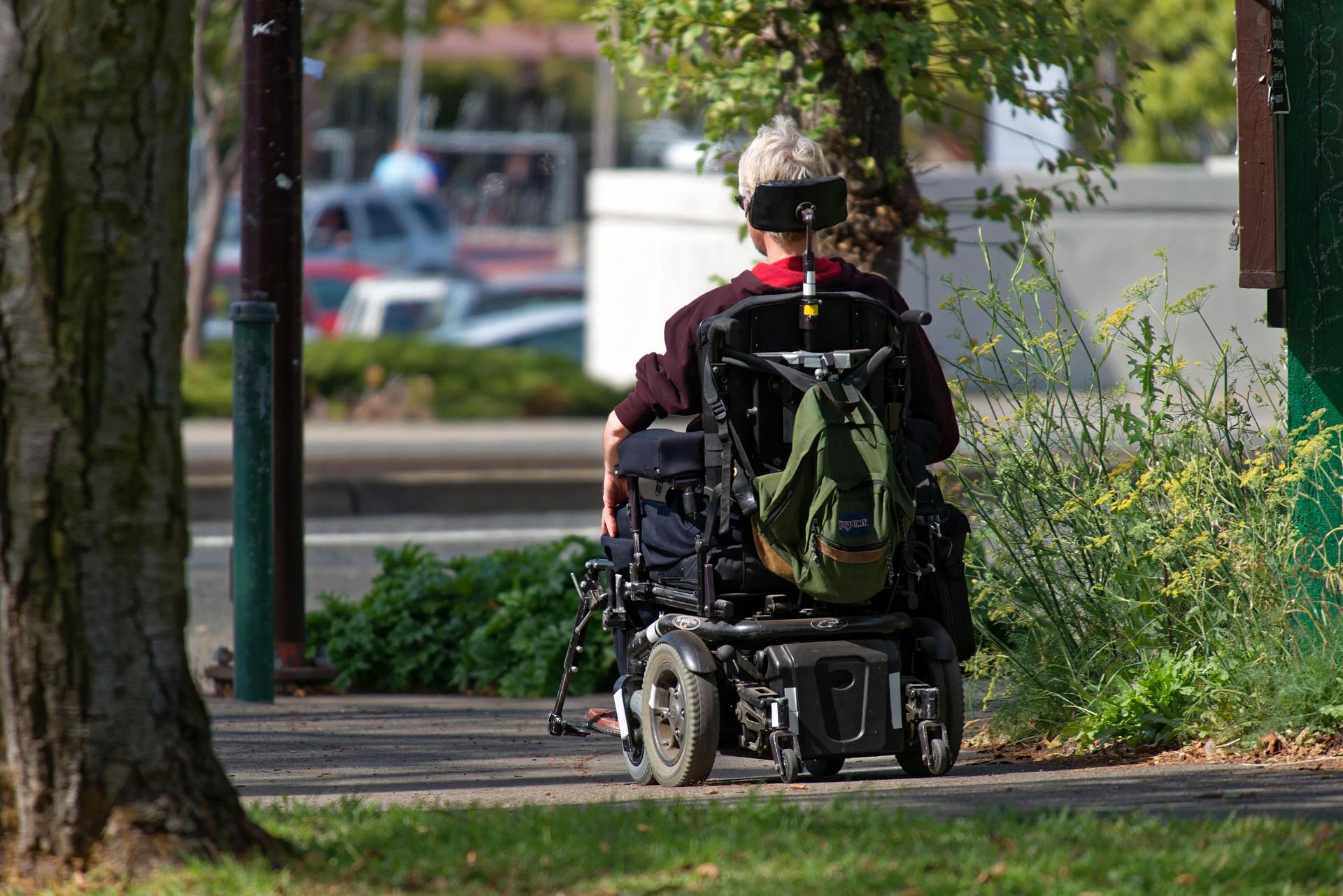
- Use of orthoses and biomechanical aids such as canes, walkers, crutches, and powered wheelchairs
- Respiratory support when necessary (including evaluation for sleep apnea or diaphragmatic weakness)
- Psychological support and patient education; support groups are highly beneficial
Exercise prescription must be handled carefully, as overly intensive programs can worsen fatigue, accelerate strength loss, and reduce quality of life. Care should always be guided by professionals experienced in PPS.
The goal is not to cure, but to preserve function and improve quality of life.
An Ongoing Challenge for Medicine and Society
Recent literature highlights the need not to overlook polio survivors in the context of global eradication. Anthropologist Nora Ellen Groce, in correspondence published in The Lancet, warned that eliminating the virus should not overshadow the millions living with its long-term consequences.
Assuming PPS will disappear in the coming years may be a serious miscalculation. Lack of awareness among healthcare professionals, along with the absence of standardized protocols, contributes to delayed diagnoses and inconsistent care.
In this context, it is essential to promote continued education on PPS, improve interdisciplinary coordination, and encourage research into its pathophysiology, biomarkers, and therapeutic strategies.
We are facing a complex condition that requires collective commitment.
For healthcare professionals, this means recognizing PPS as a real, prevalent, and disabling condition that demands a comprehensive, evidence-based, patient-centered approach.
A key question during medical history-taking remains: “Did you have polio in childhood?”
Looking Ahead
It is crucial to strengthen medical training, improve coordination among specialties, and promote research in pathophysiology, diagnosis, and treatment.
PPS reminds us that eradicating a disease does not necessarily mean ending its consequences.
Dr. Carles Fontcuberta
Dr. Martha Castilleja