Accessibility in Emergencies Is a Human Right
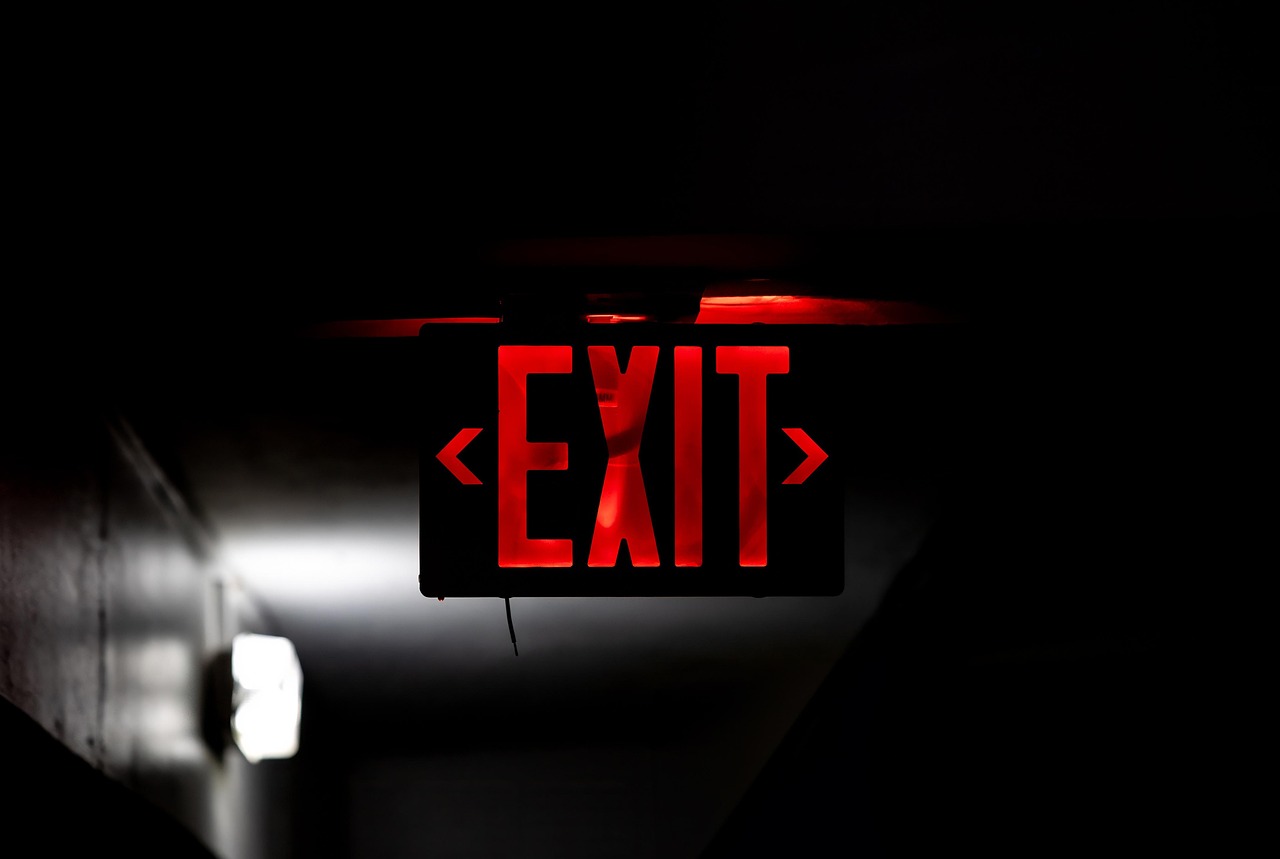 In times of crisis, emergency systems are meant to protect lives, but they do not always reach everyone equally. For many Deaf and disabled people, warning signals, evacuation instructions, and emergency information may be inaccessible, delayed, or entirely absent, turning already dangerous situations into even greater risks.
This article highlights the testimony of Kashaf Alvi, a Deaf and non-verbal disability advocate based in Dubai, featured by Disability Justice Project in its global conflict series. His message draws attention to the reality that inaccessibility during emergencies is not a secondary issue, but a direct threat to dignity, safety, and survival for millions of people with disabilities around the world.
By connecting this experience to the principles of the UN Convention on the Rights of Persons with Disabilities, the publication reinforces a simple but urgent point: accessibility in emergencies is a human right. In moments of conflict, disaster, and unrest, inclusion must not be treated as an afterthought, but as an essential part of every response.
A Testimony on Disability, Safety, and Inclusion
The following content was originally published by Disability Justice Project LinkedIn page and is reproduced here with authorization. Kashaf Alvi, founder of the Disability Justice Project, has kindly granted permission for RCWDA to share this video. To preserve the original message and context, the text below has been adapted only for website structure and reading flow.
Original post: View the original LinkedIn publication
Featured video from YouTube:
If the embedded video does not load, you can also watch it on YouTube.
Post text
When crisis hits, accessibility is often the first thing left behind.
In the latest reel from Disability Justice Project’s global conflict series, spanning stories from the DRC to Myanmar, DJMN member Kashaf Alvi, a Deaf and non-verbal disability advocate based in Dubai, reminds the world of a truth we rarely talk about:
Millions of Deaf people never hear emergency sirens. Evacuation routes move fast. Accessibility often doesn’t.
The UN Convention on the Rights of Persons with Disabilities (CRPD) promises dignity, safety, and inclusion for disabled people, even in times of crisis and unrest.
Accessibility in emergencies is a human right.
Hashtags: Disability, Deaf, Dubai, Disability Justice Project
Transcript
Kashaf: My name is Kashaf Alvi. I am deaf and non-verbal. I dedicate my life to disability, inclusion and global peace. I live in Dubai.
Text on-screen: Kashaf Alvi, a 22-year-old resident of Dubai, was born Deaf and nonverbal. Today, he advocates for disability inclusion, peace, and climate justice, using his platform to highlight how people with disabilities are often overlooked during conflicts and disasters.
Kashaf: In the recent conflict and unrest in the Middle East, the world hears sirens and explosions. But millions of deaf people never hear the sirens. War does not disable people. Inaccessibility does. Evacuation routes move quickly. Wheelchairs do not. Information travels fast. Accessibility often never arrives. And in that moment, silence becomes danger. The world made a promise through the Convention on the Rights of Persons with Disabilities. A promise that even in times of crisis, the dignity and safety of person with disabilities must be protected. I live in silence. But I speak for millions. Inclusion in crisis is not generosity. It is humanity. And humanity means one simple truth. Every life matters. Every voice must count.
Video description
Kashaf, a young person with curly dark hair and glasses, stands against a plain light-colored background, wearing a loose black collared shirt. He signs in ASL while looking directly toward the camera with a focused expression. The video is interspersed with Kashaf’s pictures and archival footage from conflict-ridden regions. The frame has rounded corners and includes the Disability Justice Project logo in the top-right corner. At the bottom of the frame, the handle @disabilityjusticeproject is displayed.
Disclaimer
Video courtesy of the Disability Justice Project. This content is shared for educational and awareness purposes. All rights belong to the original creators. The views expressed in this video are those of the original creators and are shared here to promote awareness and dialogue on disability inclusion and do not necessarily represent the views of the Rotary Club of World Disability Advocacy or its members and representatives.