

Global Inclusive Education Initiative
Inclusive Education Initiative
Working Towards A World Where Learning
Has No Limits For Children Everywhere

The Rotary Club World Disability Advocacy Is Committed To The Children of the World

The Rotary Club of World Disability Advocacy is deeply committed to strengthening inclusive education for children with disabilities worldwide, ensuring every child has the opportunity to learn, grow, and thrive. To advance this mission, the club is building a comprehensive network of resources that empowers families, teachers, and communities with practical knowledge and expert guidance. Through accessible information, specialized training, interactive webinars, engaging podcasts, and hands‑on workshops led by some of the world’s top education specialists, the club equips stakeholders with the tools needed to create classrooms where every child is welcomed and supported. This global effort reflects Rotary’s belief that inclusive education is not only a right, but a pathway to dignity, independence, and lifelong opportunity for all children.
A Message From The Inclusive
Education Initiative Chair
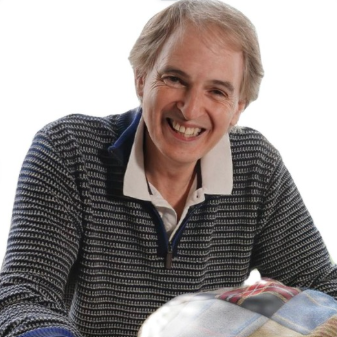
Rotarian Amy Bodkin
Inclusive Education ensures that all students, regardless of abilities or backgrounds, learn together in supportive, equitable, high-quality educational environments. Education is important because it empowers individuals, promotes equality, drives economic growth, and strengthens societies. 240 million children worldwide have a disability, and they are also the demographic most likely to experience inequality, financial instability, and exclusion from society.
In developing countries, 90% of children with disabilities do not have access to education. Thus, we are in effect leaving the demographic that most needs the benefits of education out in the cold. The world must come together now and get creative in finding ways to meet those needs. Without education, we cannot hope to build a better world.
IE Webinars
The RCWDA is launching an ongoing series of global webinars on Inclusive Education, featuring some of the world’s leading educators and innovators in the field. Each session will spotlight key issues shaping inclusive learning today—from Universal Design for Learning to accessible school systems—bringing powerful insights, practical strategies, and inspiring possibilities to educators, parents, and advocates committed to ensuring every child’s right to learn.
Day-Long Workshops
RCWDA will host one full‑day Inclusive Education Training Summit each year, bringing together educators, families, agencies, and school administrators for deep, practical learning. These annual events will cover specialized topics—from accessible classroom strategies to family‑centered supports and cross‑agency collaboration—giving participants the tools, knowledge, and confidence to strengthen educational outcomes across the region. By dedicating an entire day to intensive, hands‑on training, RCWDA ensures that communities receive not just information, but actionable skills that directly improve the quality of education for children with disabilities.
Information
RCWDA is committed to strengthening the global movement for inclusive education by providing continuous learning opportunities through blogs, podcasts, livestream events, and in‑depth articles. These resources will help educators, parents, administrators, and policymakers stay informed about the latest developments, proven strategies, and emerging approaches that ensure every child learns with dignity and full inclusion.
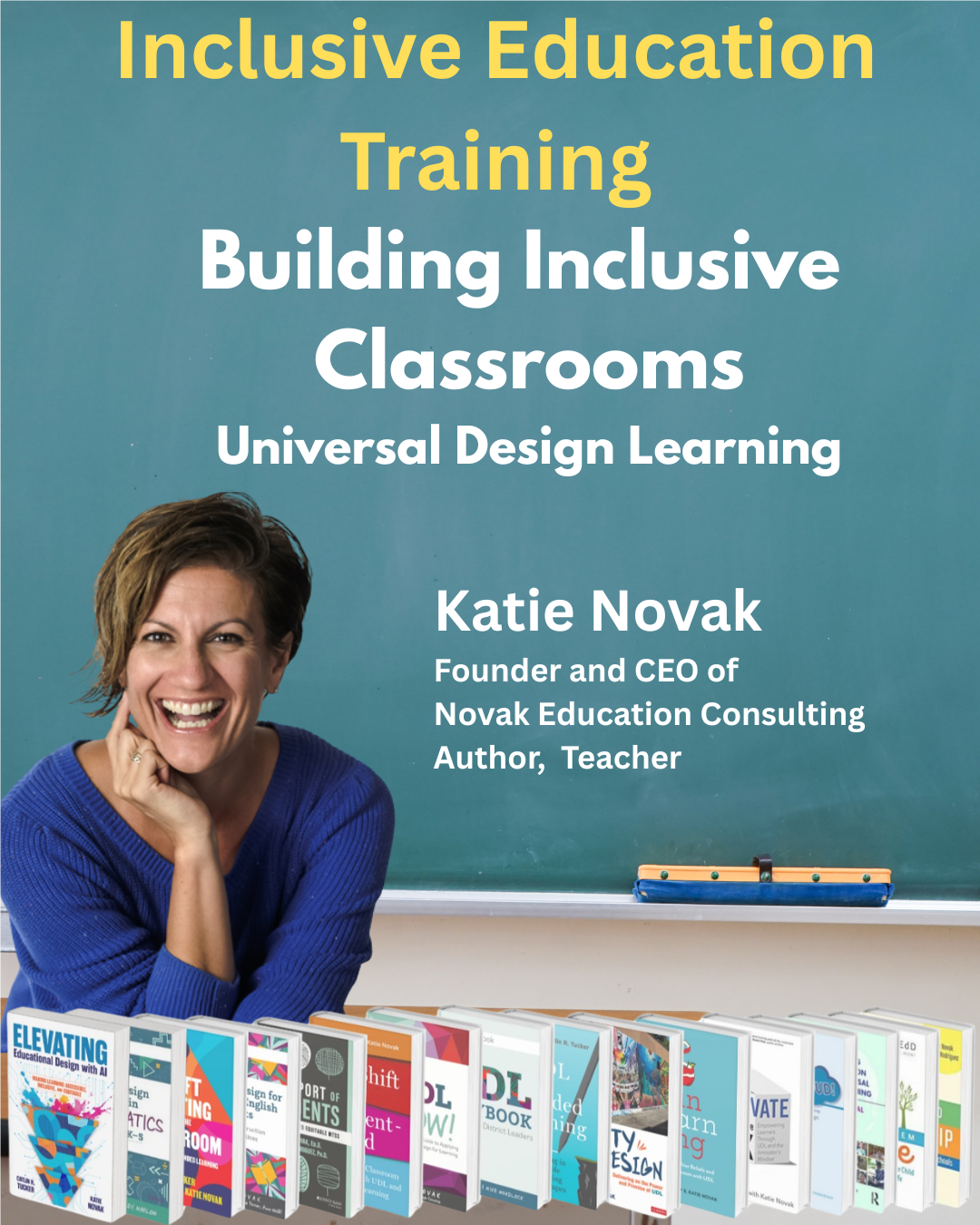
Inclusive Education Training on Universal Design for Learning.
Click here to watch the video. Universal Design for Learning (UDL) is a promise to build classrooms where every student can thrive. In this video, Dr. Katie Novak breaks down what UDL is, why it matters, and how removing barriers from the start transforms learning for all.
UDL embraces every learner’s strengths, needs, languages, and backgrounds—creating flexible pathways for full participation and confident learning.
Share how UDL is shaping your school, community, or Rotary project. And if you believe in inclusive education and global disability advocacy, subscribe for more stories and trainings that drive change.
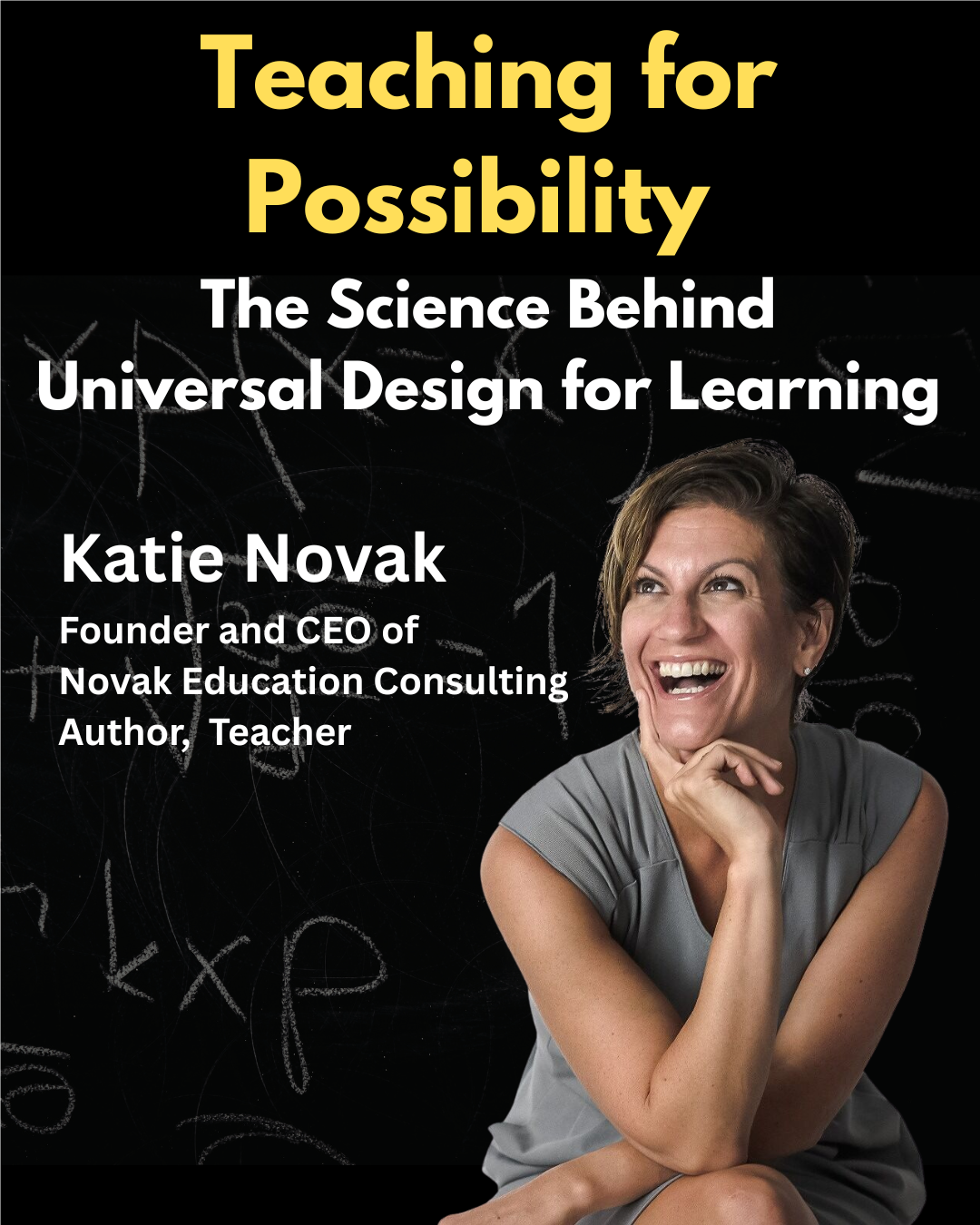
Click here to watch the video: In this powerful RCWDA presentation, Global UDL expert Dr. Katie Novak breaks down the science behind Universal Design for Learning and shows how “teaching for possibilities” transforms every classroom. Through clear explanations and real‑world examples, Katie reveals how designing for learner variability from the start removes barriers, increases engagement, and opens pathways for every student—regardless of background, language, or ability. This session is energizing, practical, and deeply inspiring for educators, parents, school leaders, and advocates who believe in truly inclusive education.
Dyslexia, Mental Health, and Inclusive Education in Scotland
By Mark Stoddart
Vice President
Rotary Club of World Disability Advocacy
Recently, I took part in the final two-hour research session with the University of St Andrews in Scotland—one of the oldest universities in the English-speaking world, established in 1413.
The focus of the research was the intersection of Dyslexia and Mental Health, a topic deeply personal to me. Joined by two leading professors, our panel contributed to a vital initiative tied to Dyslexia Scotland’s original survey with Glasgow University and conducted in connection with the Scottish Government’s Education Department. The goal of this collaborative push is clear: implement tangible changes across the Scottish educational landscape to better support dyslexic and neurodiverse individuals.
During the discussion, I put forward two core recommendations for St Andrews to present directly to the Scottish Parliament.
Mandatory Kindness Training for Educators
My first recommendation centers on inserting one essential word into the national survey and policy framework: Kindness.
We must embed the importance of everyday kindness into teacher training programs from day one. Cruelty and thoughtlessness in the classroom leave lasting scars. Singling a struggling student out, calling them names, or forcing them to stand up and read aloud when it is obvious they are struggling creates severe trauma. These early experiences directly harm a child's self-worth and trigger long-term mental health challenges that persist well into adulthood.
Mandating empathy and basic consideration costs the cash-strapped Scottish Government nothing, yet it can transform lives across the country.
A Guarantee for Fundamental Literacy
My second recommendation addresses a foundational right: every child must leave school equipped to read and write.
To many, basic literacy sounds like a guarantee that is already being met. Sadly, the reality on the ground tells a different story. Far too many young people are leaving the Scottish school system still struggling to read and write to an acceptable, functional standard.
While I am not a teacher, the evidence suggests that the current educational framework is failing our children. Although the panel from St Andrews initially hesitated to use the word "failing," they ultimately had to agree with the assessment.
A Path Forward
Fixing Scotland's education system does not always require massive budget increases. By focusing on fundamental human empathy and ensuring no child falls through the cracks on basic literacy, we can build a compassionate, effective system that protects the mental well-being and future of every neurodiverse student.