Prioritize Inclusive Safety in Extreme Climate Events
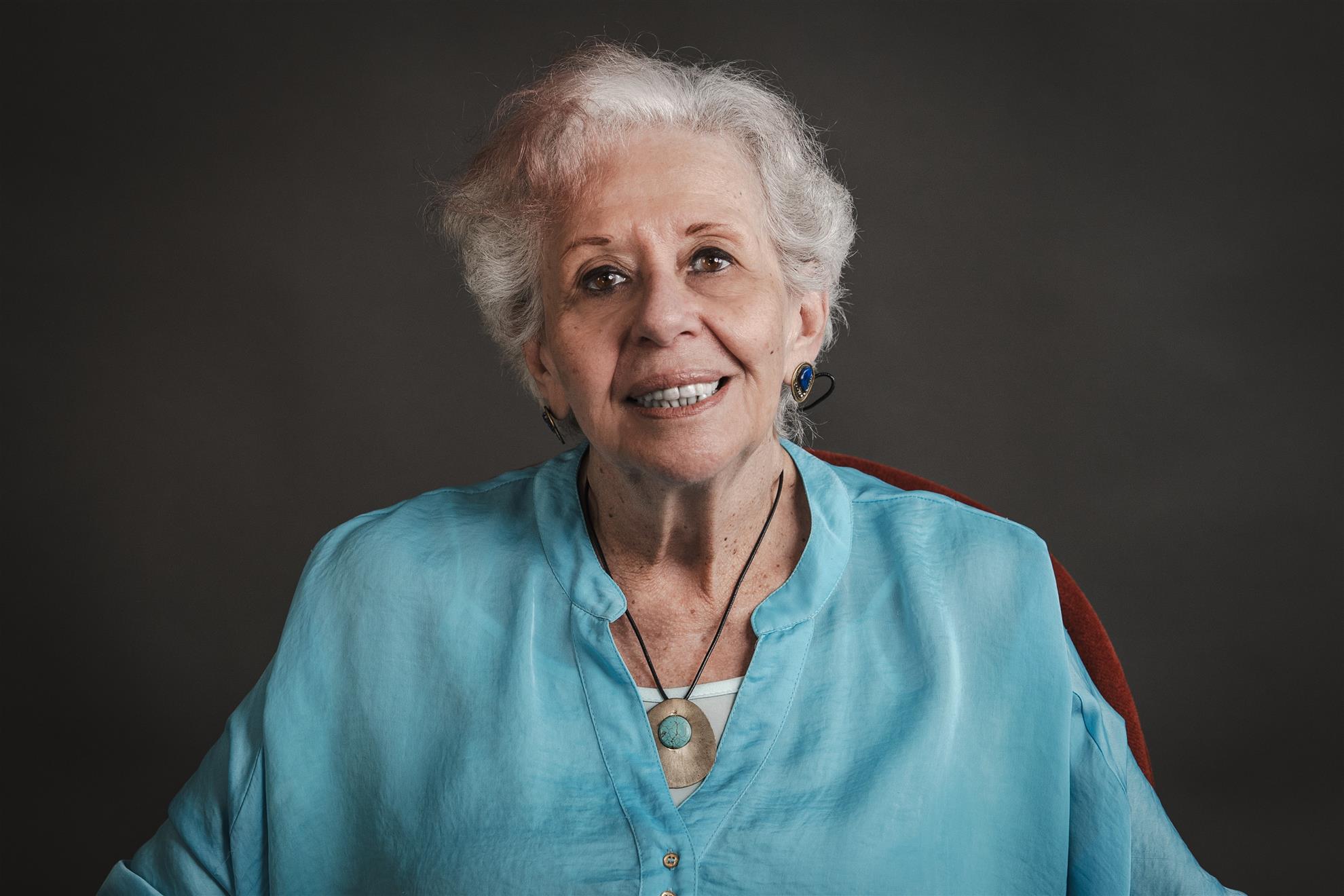
NOTE: As powerful earthquakes shake communities across the globe, one truth becomes impossible to ignore: people with disabilities are often the most at risk and the least heard. To confront these rising concerns, we turned to Marta Almeida Gil of Brazil, a dedicated member of our club and a tireless advocate for disability inclusion in disaster response. Drawing from her work with survivors in Brazil, Marta offers vital insight into the fears, needs, and resilience of people with disabilities when catastrophe strikes. Here are her thoughts.
By Rotarian Marta Almeida Gil
Rotary Club World Disability Advocacy
Coordinador Ejecutivo en el Instituto de Estudios e Investigación Amankay
What Experts Say
“Disasters affect everyone, but they have a disproportionate impact on persons with disabilities, who continue to face barriers to participation and social exclusion.”
Mami Mizutori, UNDRR
Assistant Secretary-General and Special Representative of the Secretary-General for Disaster Risk Reduction
“If disasters represent a great challenge for everyone, for those with disabilities the challenge is even greater. Flooded streets become veritable insurmountable mazes.”
Beto Pereira, President
National Organization of the Blind in Brazil
Impacts on Persons with Disabilities
Disabilities can impact a person in a variety of ways—both visible and invisible.
For people with disabilities and their families, it is important to consider individual circumstances and needs to effectively prepare for emergencies and disasters.
Emergency Planning & Communication
- Sign up for local alerts: Enable emergency notifications on your phone and register with your local registry if available.
- Format accessible warnings: Keep text-display weather radios, large-print instructions, or screen readers ready for power outages.
- Build a support network: Share your evacuation plan with neighbors or caregivers who understand your specific mobility or medical needs.
Equipment & Supplies
- Secure backup power: Keep extra batteries, portable power banks, or backup generators for vital medical and communication devices.
- Pack specialized items: Include at least a two-week supply of essential medications, spare mobility parts, and a manual wheelchair backup.
- Label supplies: Use large print or Braille to identify emergency gear so it is easy to find in the dark.
- When building a kit, people with disabilities should consider the items they use daily, as well as life-sustaining items.
- Personal disaster preparedness for those who use a wheelchair: Add spare tires and an air compressor to your emergency kit to make sure you can stay mobile in the event of an emergency.
- If you have a disability and use an electronic device to communicate, charge and keep back-up batteries in your emergency kit so you can converse with emergency responders and stay mobile.
- Personal disaster preparedness for those with vision loss: Make sure your plan includes the location of the nearest accessible public transportation, a hospital and emergency services.
- Preparedness for people who are hard of hearing: Put a fully charged portable cell phone charger in your kit so you can communicate in case of an emergency.
- If you depend on Social Security or other regular benefits, switching to electronic payments is an easy way to protect yourself financially before disaster strikes.
- Create a support network of people who can help you in a disaster. Keep a contact list in a watertight container in your emergency kit or on your electronic devices.
- Plan ahead for accessible transportation that you may need for evacuation or getting around during or after disaster.
- Many city and county emergency management agencies maintain voluntary registries for people with disabilities to self-identify in order to receive targeted assistance during emergencies and disasters. Contact your local emergency management office to find out more.
- If you use medical equipment in your home that requires electricity, talk to your doctor or health care provider about how to keep it running during a power outage. You can also ask your power provider to put you on a list for priority power restoration.
- Wear medical alert tags or bracelets. Also add pertinent medical information to your electronic devices.
- If you have a communication disability, consider carrying printed cards or storing information on your devices to inform first responders and others how to communicate with you.
- If you use assistive technologies, plan how you will evacuate with the devices or how you will replace equipment if lost or destroyed.
- Plan for children and adults who may have difficulty in unfamiliar or chaotic environments. Consider your service or support animal or pets and plan for food, water and supplies. If you need to evacuate, you’ll need to know whether your shelter allows pets or not, since some shelters only allow service or support animals.
- Keep a list of the nearest medical facilities, local hospitals and nearest accessible transportation.
Tips for Individuals with Alzheimer’s and Related Dementia
- Do not leave the person alone. Even those who aren’t prone to wandering away may do so in unfamiliar environments or situations.
- If evacuating, help manage the change in environment by bringing a pillow and blanket or other comforting items they can hold onto.
- When at a shelter, try to stay away from exits and choose a quiet corner.
- If there is an episode of agitation, respond to the emotions being expressed. For example, say “You’re frightened and want to go home. It’s ok. I’m right here with you.”
Recommended YouTube Videos
Personal Preparedness: Wheelchair User
How Climate Change Risk Disproportionately Impacts People with Disabilities
Watch How Climate Change Risk Disproportionately Impacts People with Disabilities on YouTube
On the Frontlines of the Climate Crisis
Why Climate Change Hits People with Disabilities Harder
Watch Why Climate Change Hits People with Disabilities Harder on YouTube
People with Disabilities are More Vulnerable in a Changing Climate
Watch People with Disabilities are More Vulnerable in a Changing Climate on YouTube