Meet the four distinguished voices of the RCWDA Health Summit 2026: Dr. John P. Ehrenberg on lymphatic filariasis and global disability, Dr. Carles Fontcuberta on aging, disability, and Post-Polio Syndrome, Dr. Sylvia Roozen on health as a key enabler of inclusion for persons with disabilities and lifelong health conditions, and Sir Thomas William Shakespeare on patient-centred care, disability rights, and global advocacy.
Rotary Club of World Disability Advocacy
Meet Our Speakers
Voices Shaping Patient-Centred Care
June 26 – 27, 2026 • Virtual Summit
Four distinguished voices from global public health, disability advocacy, bioethics, and lived experience — joining us to explore what genuine, patient-centred care looks like for people living with disabilities and lifelong health conditions.
Speaker One
Dr. John P. Ehrenberg
M.D., M.Sc., Sc.D. • Former WHO Director, Communicable Diseases Division, Western Pacific Region
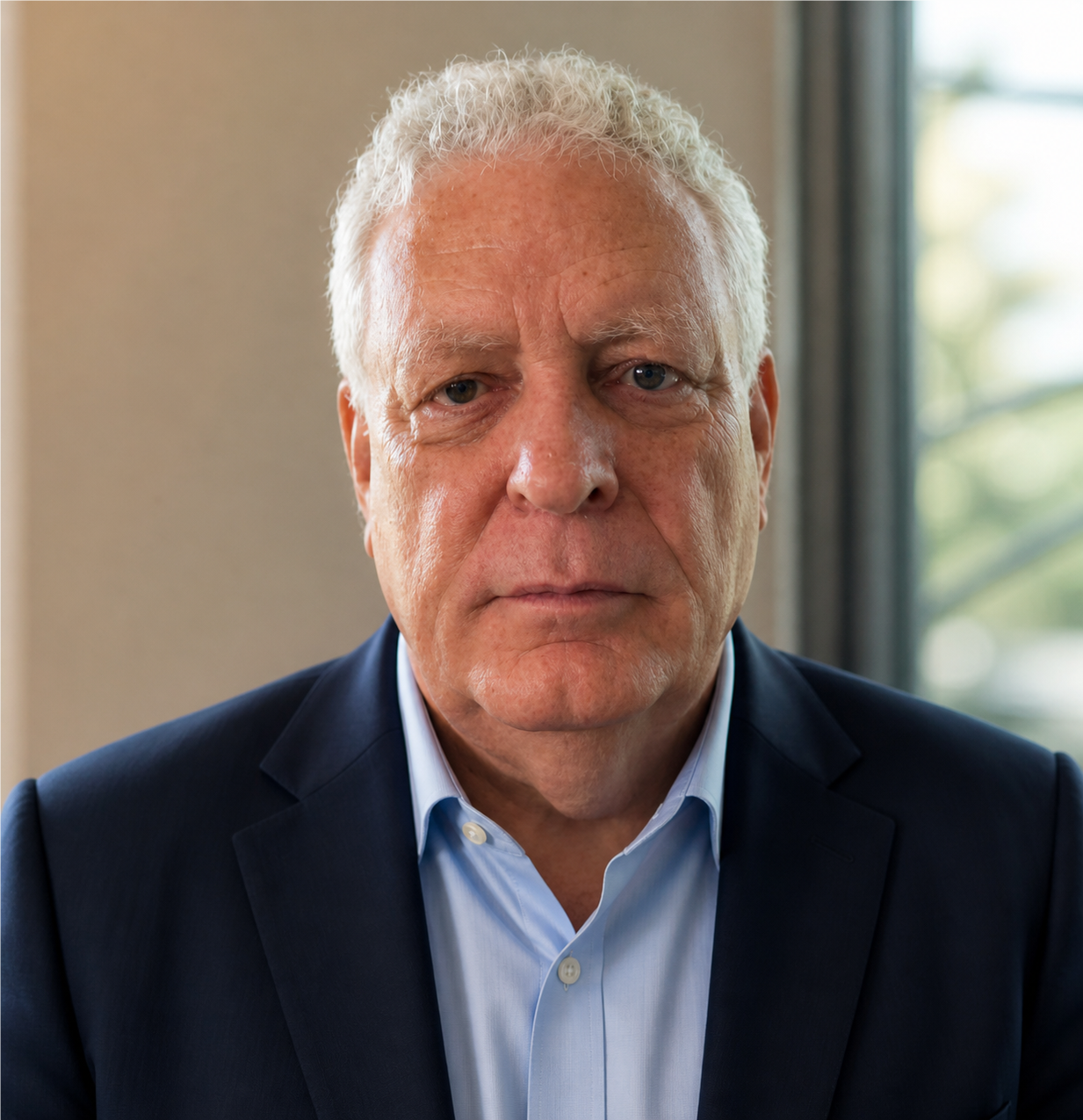
Over four decades of experience in communicable diseases, spanning research and academia to public health leadership across four continents — the Americas, Africa, Europe, and the Asia-Pacific.
Dr. Ehrenberg has managed international public health projects and programmes covering coordination, planning, monitoring, and evaluation. His career has centred on brokering national and international partnerships, mobilising resources, and mentoring the next generation of public health professionals.
He is currently Chair of the External Review Board at the Swiss Tropical Diseases and Public Health Institute in Basel, where he champions North-South-North collaborations within the framework of One Health. He also leads community-based conservation work in Yucatán, Mexico — including a pioneering rescue programme for neglected Mayan fruit trees.
Presentation
Lymphatic Filariasis: A Hidden Driver of Lifelong Disability
Lymphatic filariasis (LF), also known as elephantiasis, is a neglected tropical disease that damages the lymphatic system, leading to abnormal swelling, pain, disability, and social stigma. The infection is caused by filarial parasites transmitted through mosquito bites — usually acquired in childhood — and often causes long-term hidden damage before symptoms appear.
It is the second leading cause of long-term disability worldwide, contributing to significant economic loss and social challenges. As of 2023, 657 million people across 39 countries remain at risk and require preventive treatment, with the heaviest burden in India, Africa, and Southeast Asia.
Elimination is achievable through preventive chemotherapy. The WHO leads this work through the Global Programme to Eliminate Lymphatic Filariasis (GPELF), which focuses on stopping transmission and providing Morbidity Management and Disability Prevention (MMDP) for those already affected. Eliminating LF can reduce suffering and help alleviate poverty in the communities it afflicts.
Speaker Two
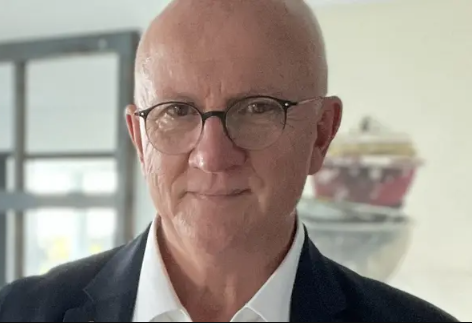
Dr. Carles Fontcuberta Sarrau
M.D., Internal Medicine • Author, Post-Polio: The Long Shadow of the Virus • Rotary, Spain
A medical doctor from Barcelona with a professional career spanning 45 years. Dr. Fontcuberta graduated from the Clinical Hospital of the University of Barcelona and specialised in Internal Medicine.
After two decades in clinical practice, he moved into healthcare consulting and management — leading several university hospitals and working as a national and international consultant in healthcare, medical technology, and insurance. He holds a diploma in hospital management and an MBA.
Now retired, and a long-standing member of Rotary in Spain, Dr. Fontcuberta is deeply committed to addressing the suffering of the most vulnerable populations. After retiring in 2019 he became interested in Post-Polio Syndrome (PPS) — despite not being a polio survivor himself — and has since dedicated years to studying it, sharing his knowledge online, and raising awareness.
He is the author of Postpolio: La Larga Sombra del Virus (Post-Polio: The Long Shadow of the Virus), and currently devoted to giving a voice to polio survivors worldwide — educating communities and encouraging healthcare providers to engage with PPS, a condition too often misdiagnosed.
Presentation
Aging and Disability: Two Journeys That Meet
Aging and disability are closely connected — but not in a simple cause-and-effect way. Many people develop disabilities as they age, and many who already live with disabilities experience aging differently from those who do not. Understanding this overlap helps explain important health, social, and policy challenges.
Dr. Fontcuberta distinguishes two major groups: people who age into disability — developing impairments later in life through chronic illness, injury, cognitive decline, or sensory loss; and people who age with disability — who have lived with impairments for decades and are now growing older, often experiencing earlier "wear and tear" and a healthcare system poorly designed for the intersection of the two. Post-Polio Syndrome is a defining example, with symptoms that can worsen decades after the original illness.
Loss of mobility ripples through daily activities, social participation, mental health, and independence — and isolation is magnified by reduced mobility, loss of peers, and barriers to accessible transport. Yet with the right support, healthcare, and inclusive environments, people can age with dignity, autonomy, and purpose — even in the presence of disability.
Speaker Three
Dr. Sylvia Roozen, PhD
Secretary General, International Federation for Spina Bifida & Hydrocephalus • President-Elect (2026–27), Rotary Club Elsloo-Maaskant, District 1550
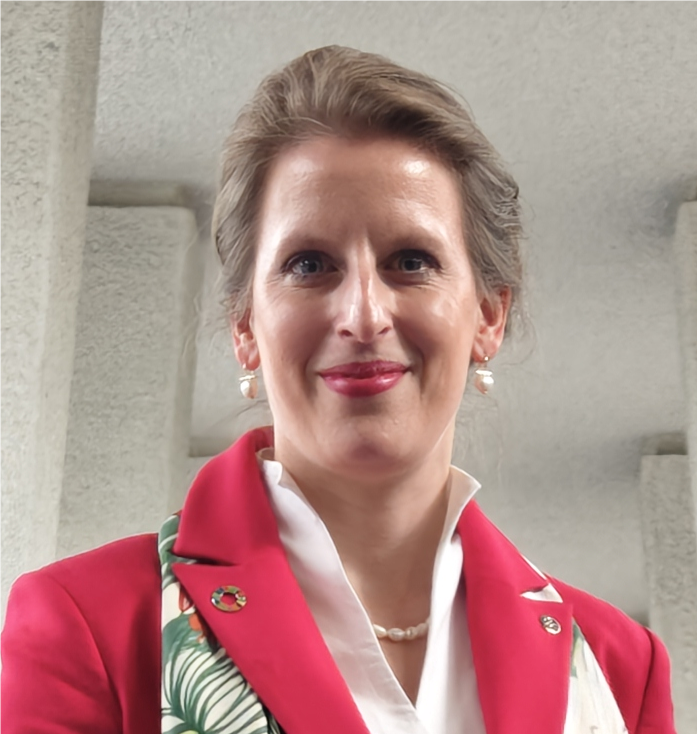
Dr. Sylvia Roozen leads the International Federation for Spina Bifida and Hydrocephalus from its head office in Brussels. She is an expert in the prevention of avoidable birth defects, with extensive experience in international advocacy, multi-country collaboration, evidence-based policy development, and academic research.
A central pillar of her leadership is community engagement. Dr. Roozen works closely with people with lived experience, ensuring their voices shape policy, research, and programme development. She convenes diverse stakeholders — governments, civil society, clinicians, researchers, and advocates — through international conferences, policy dialogues, and strategic platforms to promote inclusive, rights-based solutions.
She serves on several international advisory bodies including the UN, WHO, and the European Commission. Within Rotary, she organises structured dialogues to exchange best practices, convenes strategic meetings between service clubs and healthcare providers, and coordinates an international network of Rotary Clubs engaged in advancing prevention, care, and inclusion for persons with Spina Bifida and Hydrocephalus. She will serve as President (2026–27) of Rotary Club Elsloo-Maaskant, District 1550.
Presentation
Health as a Key Enabler of Inclusion for Persons with Disabilities and Life Long Health Conditions
Health plays a key role both in preventing certain congenital health conditions and in enabling inclusion and participation for persons living with disabilities and lifelong health conditions. While not all congenital conditions are preventable, strengthening health systems across the continuum — from maternal and perinatal care to lifelong multidisciplinary services — can reduce risks for some conditions and, equally importantly, support the health, functioning, and inclusion of children and adults living with disabilities.
This includes access to timely diagnosis, rehabilitation, assistive products such as catheters, emergency care, and affordable, continuous support within health systems. From a public health perspective, key measures include ensuring access to folic acid supplementation, supporting adequate maternal nutrition, and reducing harmful exposures such as alcohol use during pregnancy.
People living with conditions that begin early in life — including Spina Bifida, Hydrocephalus, and other developmental disabilities — illustrate the importance of both prevention and long-term support systems that enable participation in education, community life, and society. This presentation highlights how health is not only about preventable forms of disability, but also about creating the conditions for inclusion, dignity, and participation across the life course.
Speaker Four
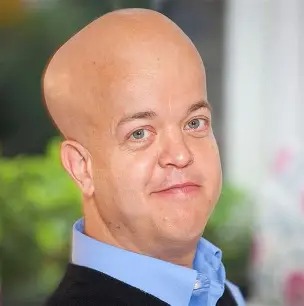
Sir Thomas William Shakespeare
3rd Baronet, CBE, FBA • Sociologist and Bioethicist • Disability Rights Scholar and Advocate
Sir Thomas William Shakespeare is a sociologist, bioethicist, author, and public advocate whose work has helped shape contemporary thinking on disability rights, inclusion, and the social dimensions of health and care.
Educated at Radley College and Pembroke College, Cambridge, he later earned an MPhil from King's College, Cambridge, and completed his PhD before building an academic career focused on sociology, bioethics, disability studies, and public policy.
He is known for influential publications including Disability Rights and Wrongs and Arguing About Disability, and contributed to the World Health Organization's 2011 World Report on Disability. His public engagement also includes broadcasting, speaking, writing, and artistic work that brings disability issues into broader public conversation.
Keynote Presentation
Advocating Globally for Patient-Centred Care for People with Disabilities
This keynote brings a global disability rights and bioethics perspective to the question of patient-centred care. It invites participants to consider how healthcare systems can move beyond abstract commitments to inclusion and place the voices, rights, and lived realities of people with disabilities at the centre of decision-making.
Drawing on scholarship, public advocacy, and international engagement, Sir Thomas William Shakespeare will help frame disability health not only as a clinical matter, but as a question of dignity, equity, participation, and social justice.
Nothing About Us,
Without Us
Every speaker at the RCWDA Health Summit was chosen because they bring expertise grounded in reality — in research, in practice, and in the everyday experience of the communities they serve.
|
|
June 26 – 27, 2026 • Virtual • Free & Open
Questions? RotaryWDA@gmail.com
Ready to Join the Health Summit?
Registration is free and open to everyone. Join us online for two days of accessible, disability-focused health programming.
The Rotary Club of World Disability Advocacy provides this summit as a platform for learning, dialogue, and the exchange of diverse perspectives. The views, comments, and opinions expressed by speakers, panelists, or participants are their own and do not necessarily reflect the official policies, positions, or endorsements of Rotary International, the Rotary Club of World Disability Advocacy, or its leadership. Rotary assumes no responsibility for the accuracy, completeness, or implications of any statements made during the event.