Patient-Centred Care and Rights
Placing the choices, experiences, autonomy, and rights of people with disabilities at the centre of healthcare decisions.
Rotary Club of World Disability Advocacy
The RCWDA Health Summit brought together healthcare professionals, researchers, advocates, caregivers, and people with lived experience to examine how health systems can better respect the dignity, autonomy, rights, and voices of people with disabilities.
For millions of people with disabilities, navigating healthcare continues to involve inaccessible facilities, fragmented services, limited professional understanding, and decisions that do not always include the people most affected by them.
Held over two days, the RCWDA Health Summit created an international space for dialogue about these barriers and the practical changes needed to address them. Presentations and panel discussions combined professional knowledge with lived experience, placing people with disabilities, caregivers, and advocates at the centre of the conversation.
Rather than treating disability health as a purely clinical subject, the summit explored it through the interconnected principles of dignity, accessibility, participation, prevention, independence, and social justice.
The sessions addressed health and disability across different stages of life and from clinical, social, technological, and human-rights perspectives.
Placing the choices, experiences, autonomy, and rights of people with disabilities at the centre of healthcare decisions.
Moving from policies and commitments to accessible practices in hospitals, clinics, services, and professional relationships.
Recognizing that inclusive services are stronger when neurodiverse people help design the systems intended to serve them.
Examining physical and occupational therapy, aging with disability, post-polio syndrome, independence, and quality of life.
Exploring technology and individualized approaches that expand access, communication, independence, choice, and wellbeing.
Connecting disease prevention and elimination with long-term care, dignity, participation, and support for people already living with disabilities.
Four distinguished speakers brought perspectives from public health, medicine, disability studies, bioethics, international advocacy, and lived experience.
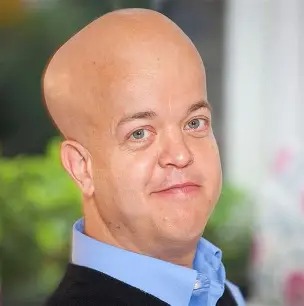
Sociologist, bioethicist, disability-rights scholar, author, and public advocate
Sir Thomas William Shakespeare has helped shape contemporary thinking on disability rights, inclusion, bioethics, and the social dimensions of healthcare. His work includes influential publications and contributions to the World Health Organization’s 2011 World Report on Disability.
Presentation: Advocating Globally for Patient-Centred Care for People with Disabilities
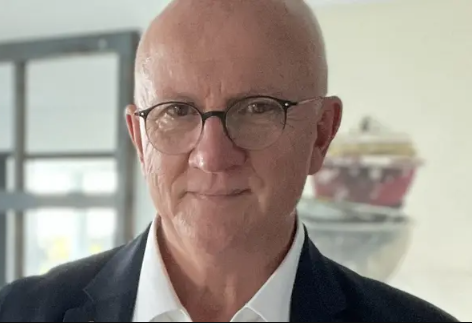
Physician, healthcare consultant, Rotary member, and author specializing in post-polio syndrome
Dr. Fontcuberta’s career spans clinical practice, hospital management, healthcare consulting, and international advocacy. Since retiring from clinical work, he has dedicated himself to studying post-polio syndrome and raising awareness of the needs of polio survivors.
Presentation: Aging-Related Disabilities
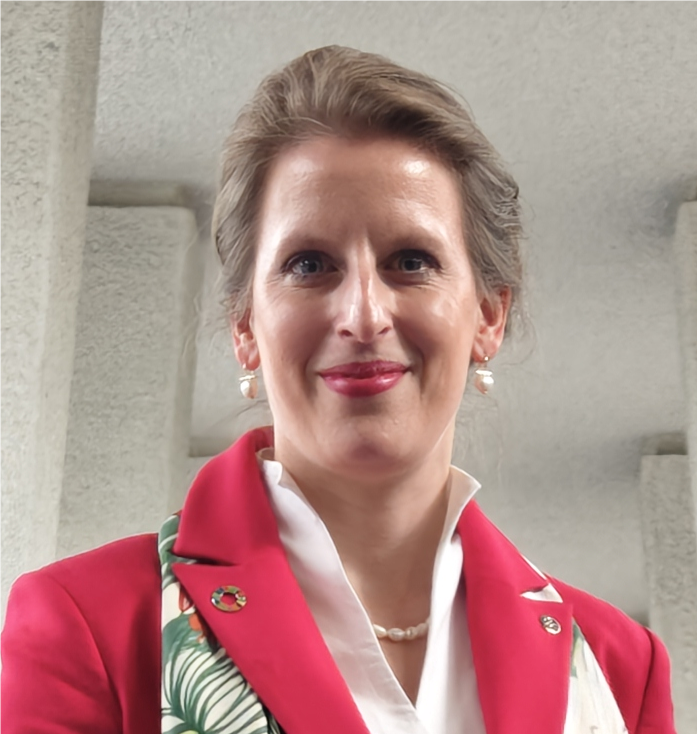
Secretary General, International Federation for Spina Bifida and Hydrocephalus
Dr. Roozen works internationally on prevention, community engagement, evidence-based policy, and lifelong support for people with disabilities and health conditions. Her work emphasizes that people with lived experience must help shape research, services, and public policy.
Presentation: Health as a Key Enabler of Inclusion for Persons with Disabilities and Lifelong Health Conditions
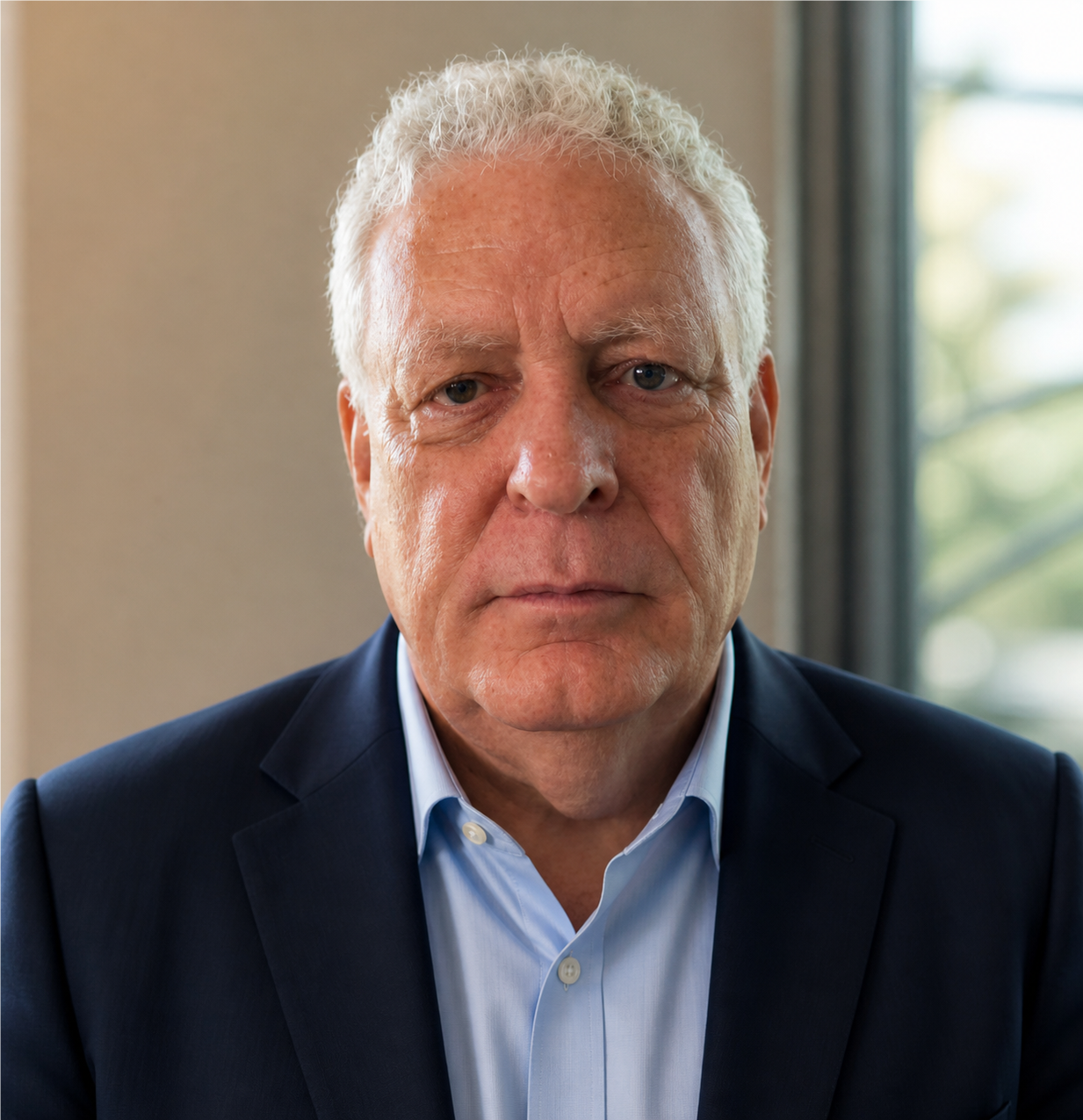
Public-health physician and former WHO Director of Communicable Diseases for the Western Pacific Region
Dr. Ehrenberg has more than four decades of experience in communicable-disease research, public-health leadership, international partnerships, programme management, and the development of future public-health professionals.
Presentation: Lymphatic Filariasis: At the Brink of Elimination, Yet Still a Challenge
The summit also benefited from the participation of Dr. Martha Castilleja, Ken Masson, John McFarlane, Saum Siraj, Simran Main, Caudence Ayoti, Sonia Kaur Rajbans, Daniel Roeder, Mona Arsenault, Nisha Jose, PDG Joyce Graff, Tony Benbow, Patricia Mills, Mumbi Mbocha, Dr. Majid Twahir, Amy Bodkin, Wycklife Ooko Owino, Neal Dodhia, Dr. Glenn J. Mendoza, Dr. Melanie Joy, Dr. Dinish Varsani, David Cohen, Christy Cohen, Alpita Shah, Tay Zonday, Tatiana Mesquita, Dr. Maria de Mello, Dr. Angela Aracena, Rajani Francis, Charlotte Jerram, and Lekshmy Ravikumar.
Explore presentations and panel discussions published by the official Rotary Club of World Disability Advocacy YouTube channel. The playlist below is maintained by the club and may be updated as additional recordings become available.
Open the complete playlist on YouTube — opens in a new tab
The Health Summit reflected RCWDA’s conviction that the people most affected by health inequity must be included in the conversations, decisions, policies, and services that shape their lives.
Questions about the summit? RotaryWDA@gmail.com