Polio Life

Polio Life logo featuring a green and blue tree and the words “A Proud Celebration of Polio Survivors".


A Celebration of Life With Polio 

Supporting Global Polio Survivors

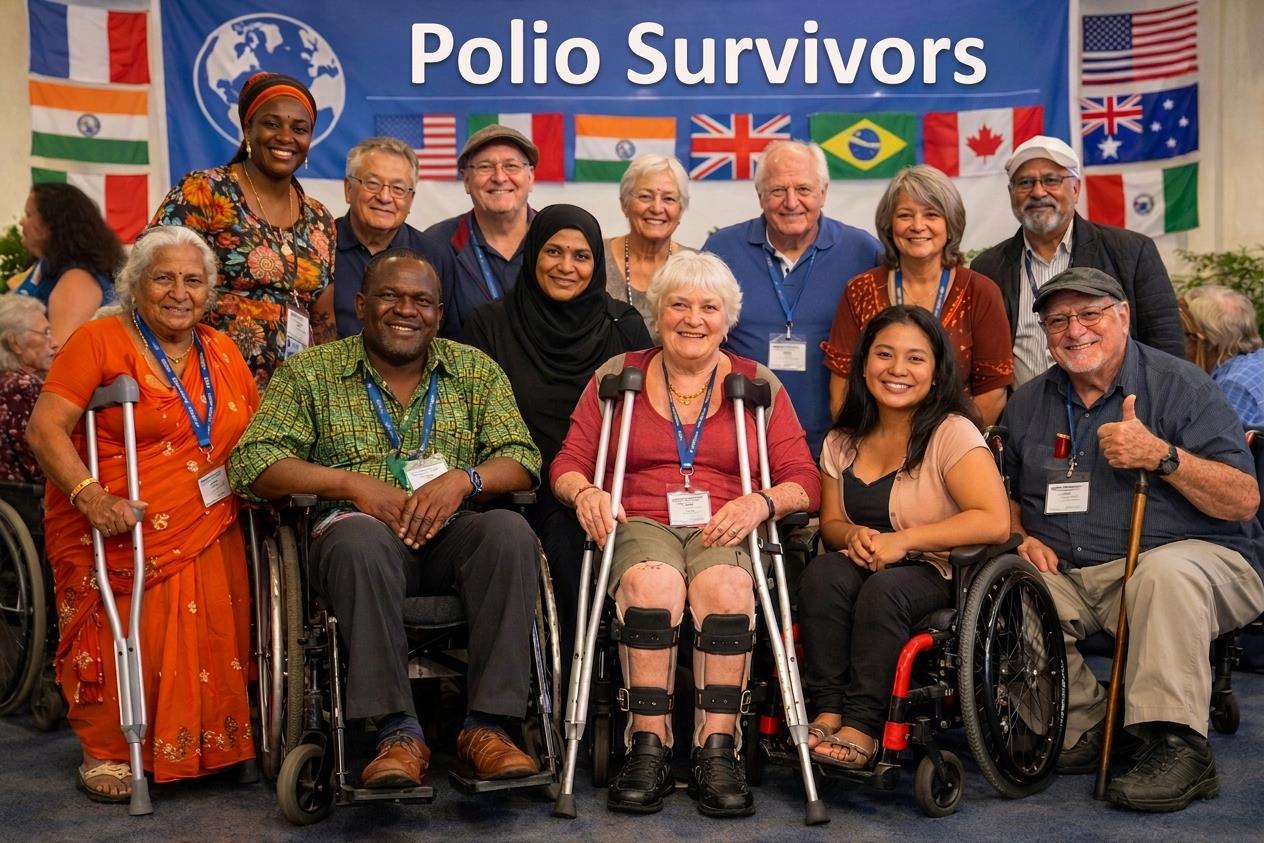
A diverse group of polio survivors, some using wheelchairs, crutches, and a cane, posing together in front of a “Polio Survivors” banner surrounded by international flags.

About Polio Life

Polio Life, sponsored by the Rotary Club of World Disability Advocacy, centers polio survivors and offers a powerful gathering of lived experience, resilience, and long‑overdue recognition. It brings together survivors from every region—voices often overlooked in modern health conversations—to share their stories, shape policy, and guide the future of disability‑inclusive care. Rather than focusing solely on the history of polio, Polio Life highlights the present: the realities of aging with post‑polio syndrome, the gaps in rehabilitation access, and the urgent need for survivor‑centered health systems. By elevating personal narratives alongside clinical expertise, Polio Life becomes a platform for dignity, solidarity, and global action, ensuring that polio survivors are not only remembered but actively included in shaping the world’s next chapter of disability advocacy.

""

Learn From Polio Leaders


Polio Life brings participants face‑to‑face with polio survivors and the professionals who support them. Through personal stories, it gives people a clear insight into the lifelong impact of polio and the resilience of those who live with it.

""

Hear Stories of Endurance from Polio Survivors

With Polio Life activities people will hear polio survivors’ stories through short, powerful first‑person moments shared in panels and conversations. Each voice offers a direct window into life after polio, grounding the summit in real experience and human resilience.

""

Honoring Polio Leading Polio Advocates

Polio Live honors the movement’s guiding voices — recognized for their leadership, resilience, and decades of service. Through dedicated acknowledgments and survivor‑led moments, Polio Life will spotlight their impact and celebrate them as essential architects of global disability‑inclusive progress.

2026 RCWDA Achievement Award Recipients

The RCWDA Achievement Awards recognize individuals whose leadership, advocacy, knowledge, compassion, and commitment have made a meaningful contribution to polio survivors, polio education, immunization, prevention, and disability inclusion.

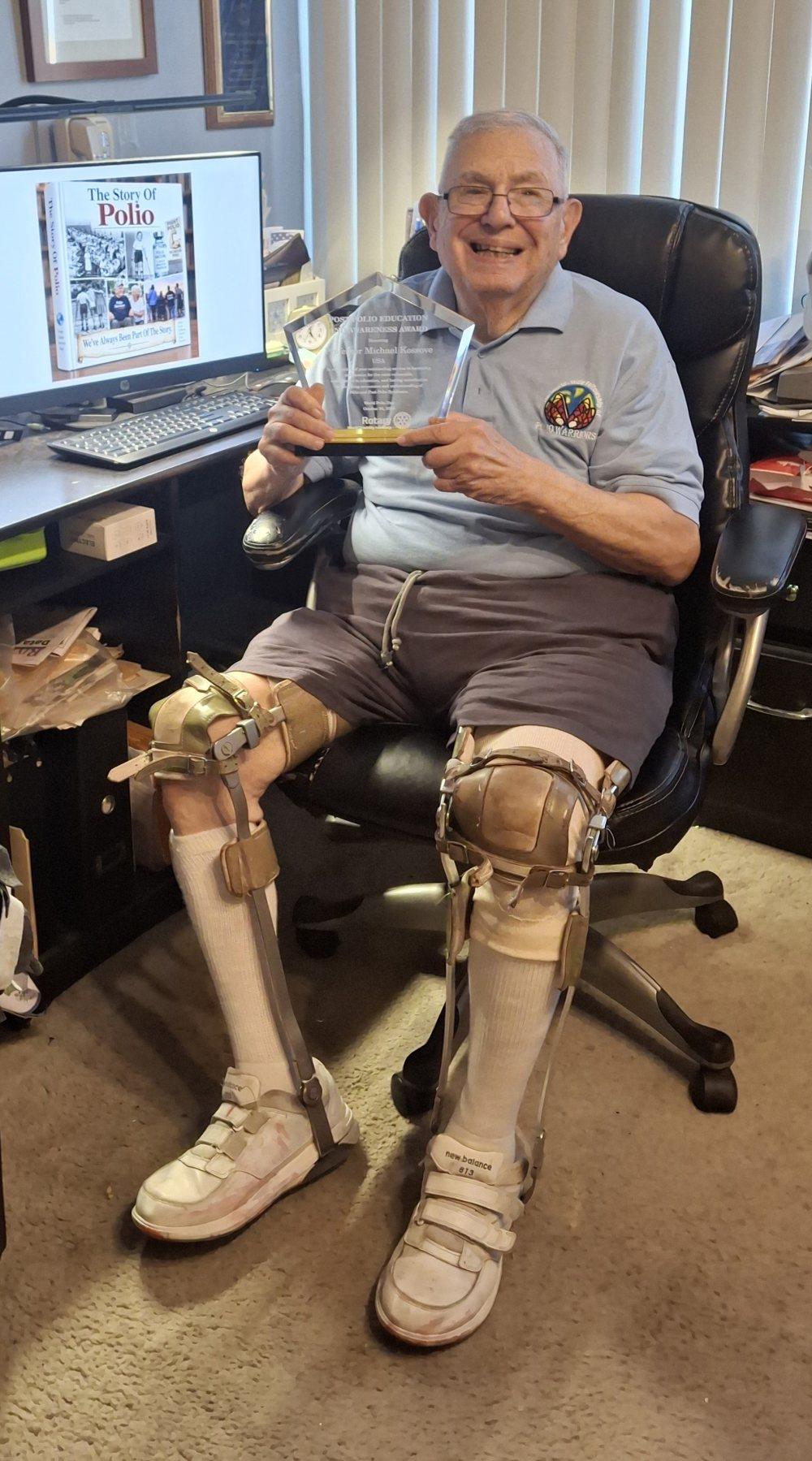
Professor Michael Kossove

United States

Award presentation: 9:15–9:45 AM

Professor Michael Kossove has dedicated nearly five decades to education in public health and medical microbiology. An accomplished author of books and numerous scientific articles, he has devoted his career to sharing knowledge and helping others better understand the science that affects their lives.

A polio survivor himself, Professor Kossove has made an extraordinary contribution to the polio community. He has helped survivors, their families, healthcare professionals, and communities better understand polio and post-polio syndrome. By combining scientific knowledge with personal lived experience, he has transformed education from a profession into a lifelong mission of service and advocacy.

RCWDA honors Professor Kossove for his exceptional ability to explain complex scientific concepts clearly and accessibly, while using his warmth and sense of humor to make learning engaging and memorable.
Dr. Carles Fontcuberta Sarrau

Spain

Award presentation: 9:15–9:45 AM

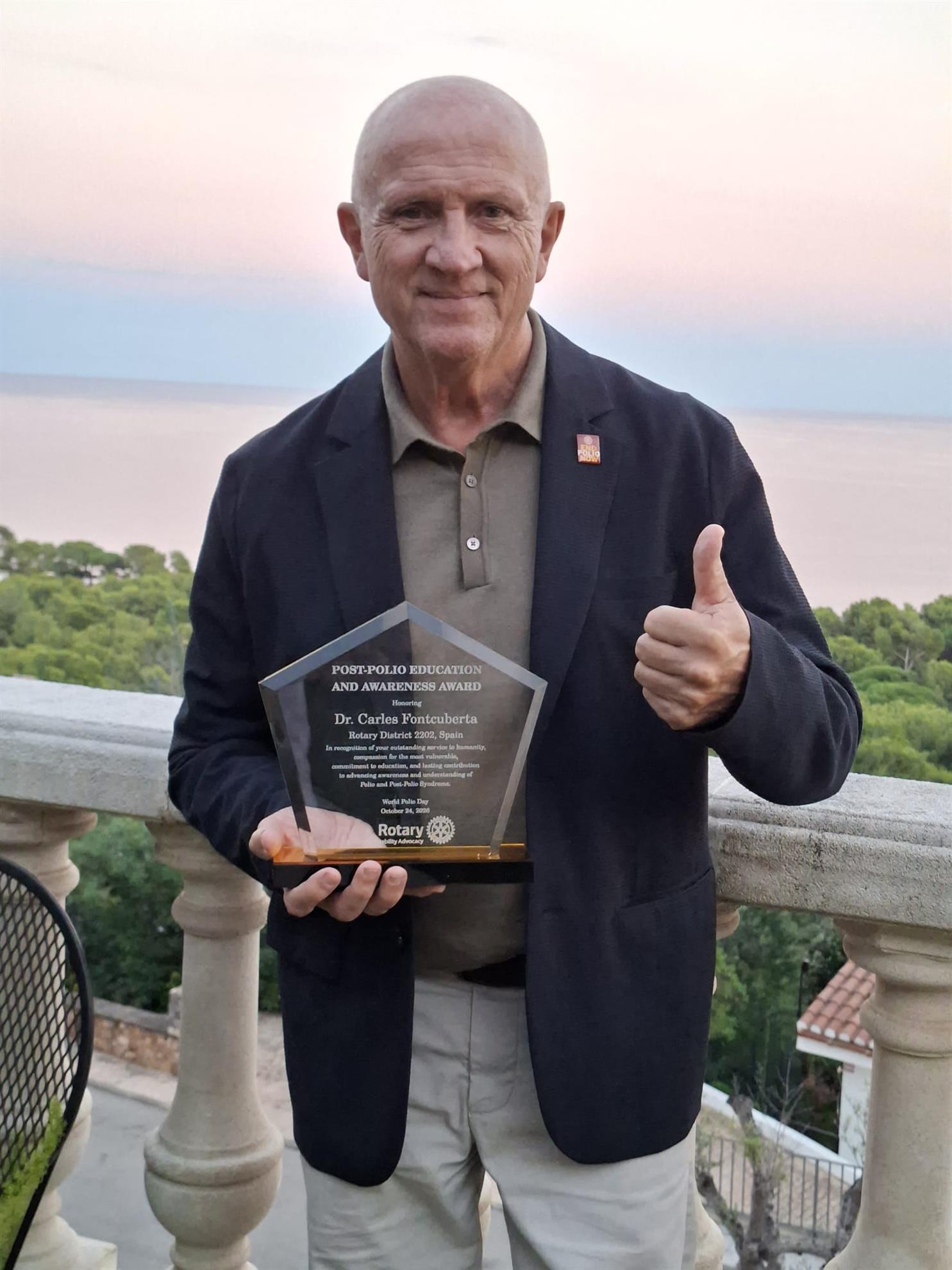
Dr. Carles Fontcuberta Sarrau is a retired physician and healthcare management expert with 45 years of professional experience. After two decades in internal medicine, he transitioned into hospital management and international healthcare consulting, earning qualifications in hospital management and business administration.

Since retiring in 2019, he has dedicated himself to raising awareness of post-polio syndrome. Although he is not a polio survivor, he has devoted extensive time to studying the condition and has authored books and articles that help address its frequent misunderstanding and misdiagnosis.

His current mission is to amplify the voices of polio survivors worldwide, educate communities, and encourage healthcare professionals to better recognize and understand post-polio syndrome.

RCWDA honors Dr. Fontcuberta for his commitment as a Rotarian and physician and, above all, for his compassion and sensitivity to the experiences of vulnerable people.

Senator Harold Kipchumba

Kenya

Award presentation: 9:15–9:45 AM

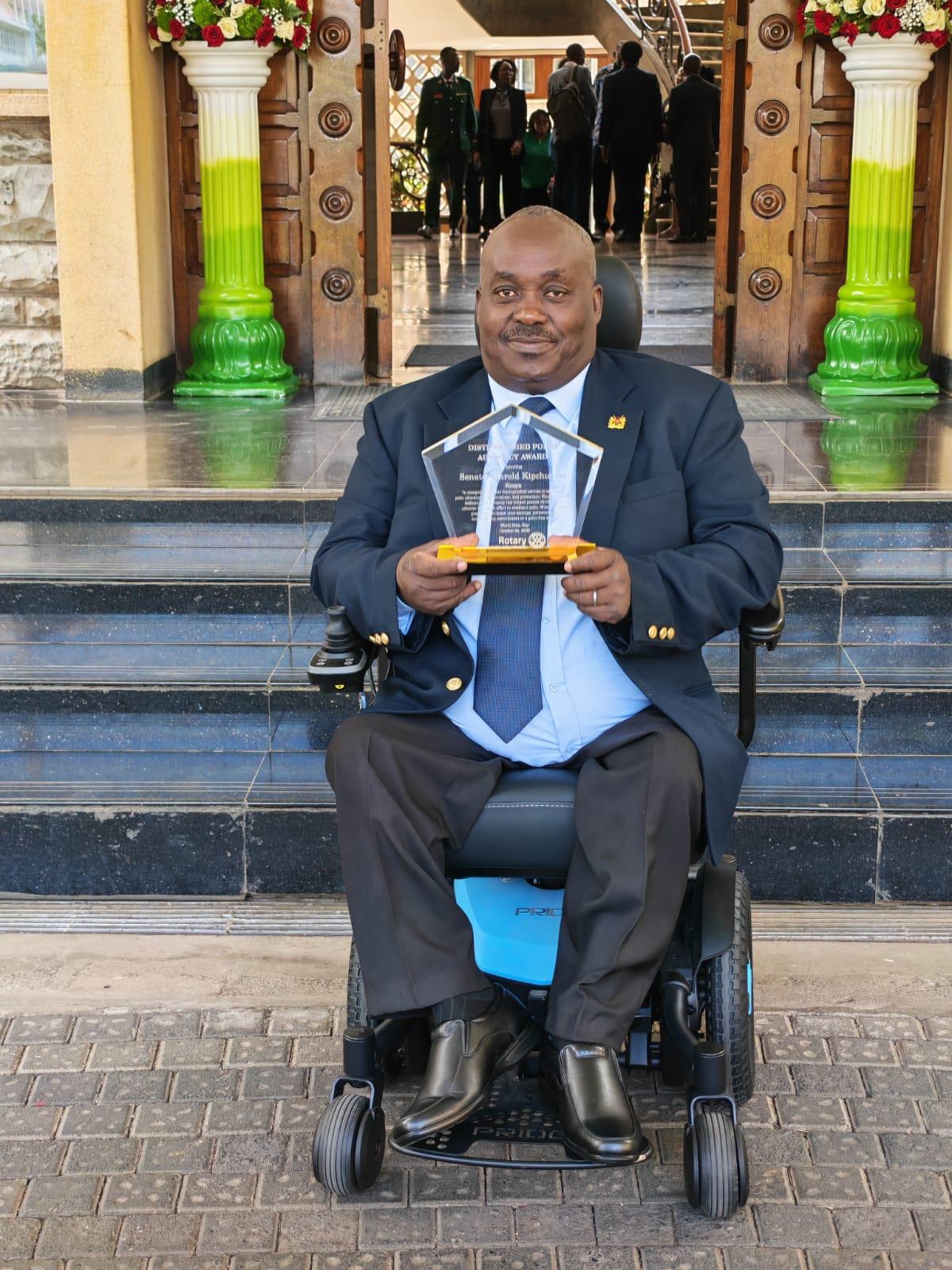
Senator Harold Kipchumba is a Kenyan disability-rights advocate, polio immunization ambassador, and politician who was nominated to serve as a Member of Parliament in 2025. He contracted polio at a young age, an experience that profoundly shaped his lifelong commitment to disability advocacy, public health, and immunization.

Despite significant mobility challenges, he has risen to national prominence through resilience, leadership, courage, and dedicated service. As a polio and immunization ambassador, he has helped raise awareness, build confidence in immunization, and champion the importance of protecting every child from vaccine-preventable diseases.

His personal journey demonstrates what is possible when lived experience is transformed into a powerful force for advocacy, inclusion, and public wellbeing.

RCWDA honors Senator Kipchumba for his courage, persistence, compassion, trust-building, and unwavering commitment to polio education, immunization, prevention, and the global effort to eradicate polio.

Maureen Sinkule

United States

Award presentation: 10:45–11:05 AM

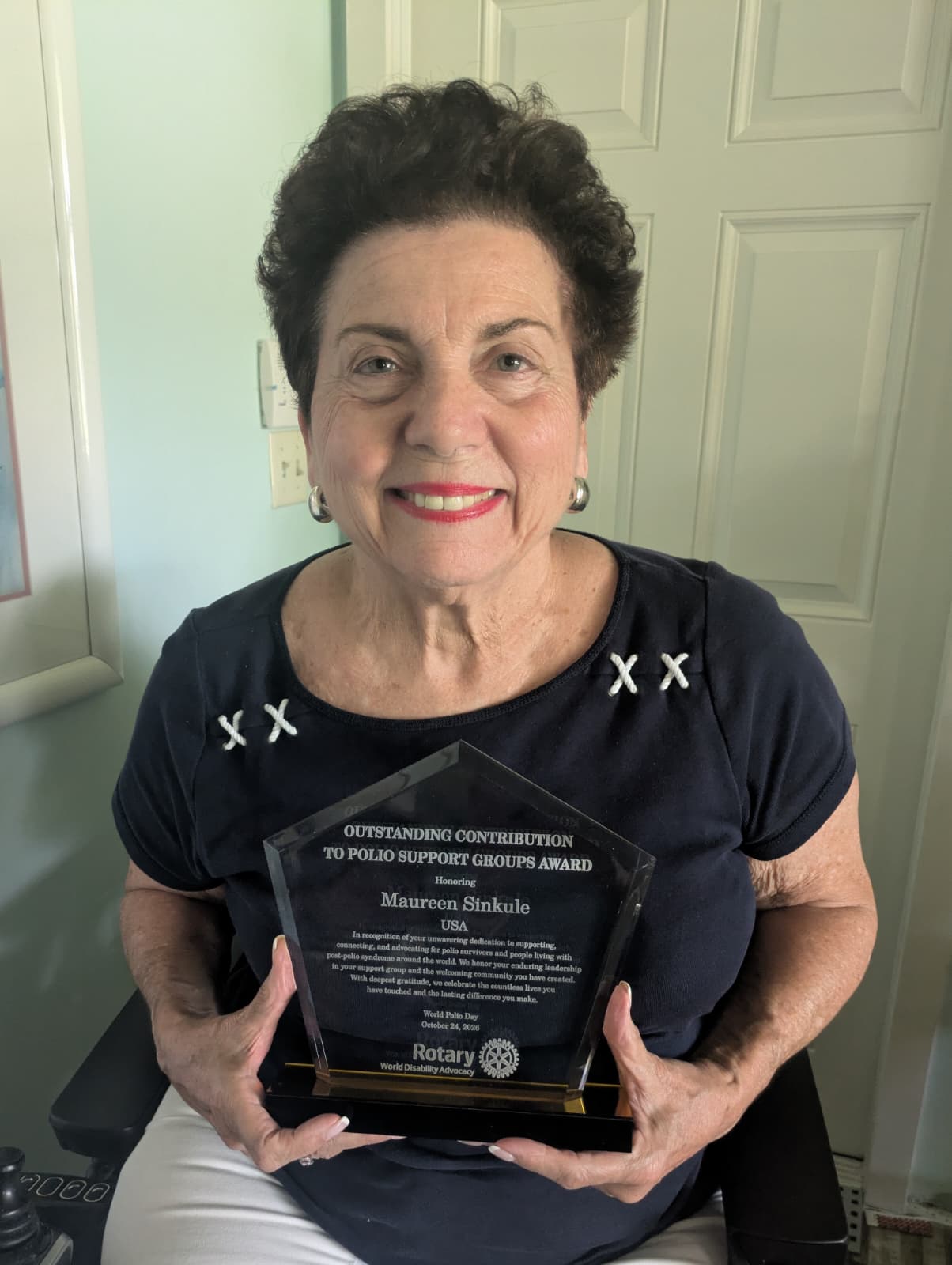
Maureen Sinkule is a tireless, compassionate leader whose dedication to polio survivors has touched countless lives in the Boca area of South Florida and far beyond. For more than three decades, she has supported, connected, and advocated for polio survivors and people living with post-polio syndrome around the world.

Through her longstanding leadership in the global polio community, she has created far more than a support group: she has built a trusted and welcoming community where survivors can share their experiences, find friendship and practical support, and know that they are not alone.

Maureen has also worked to educate and empower the polio community by bringing in knowledgeable speakers, sharing valuable resources, encouraging the exchange of information, and advocating for accessibility, inclusion, and the needs of people living with the long-term effects of polio.

RCWDA honors Maureen for more than 30 years of leadership, generosity, and service. Her legacy can be seen in the lives she has touched, the connections she has strengthened, and the hope and sense of belonging she has given to so many.

Mona Arsenault

Canada

Award presentation: 10:45–11:05 AM

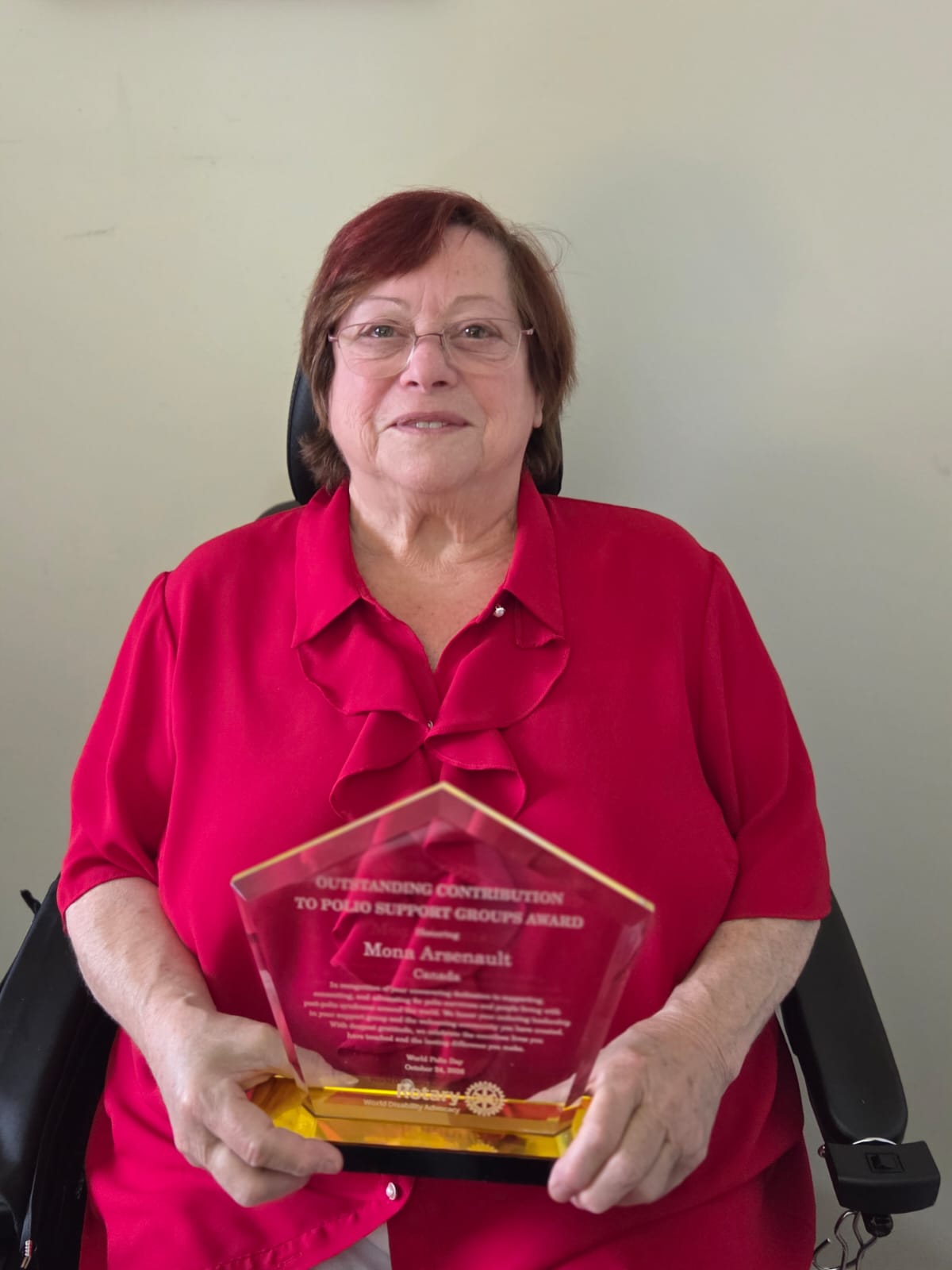
Mona Arsenault has demonstrated decades of dedication and sustained commitment to supporting, connecting, and advocating for polio survivors and people living with post-polio syndrome.

Through her longstanding leadership in the Quebec polio community and her support-group work, she has helped create a trusted space where survivors can share lived experiences, learn from one another, and find understanding, friendship, and practical support.

RCWDA honors Mona for her hard work, commitment to excellence, and meaningful contribution to the lives and communities of polio survivors.

Message From RCWDA Co-President Martha  Castilleja
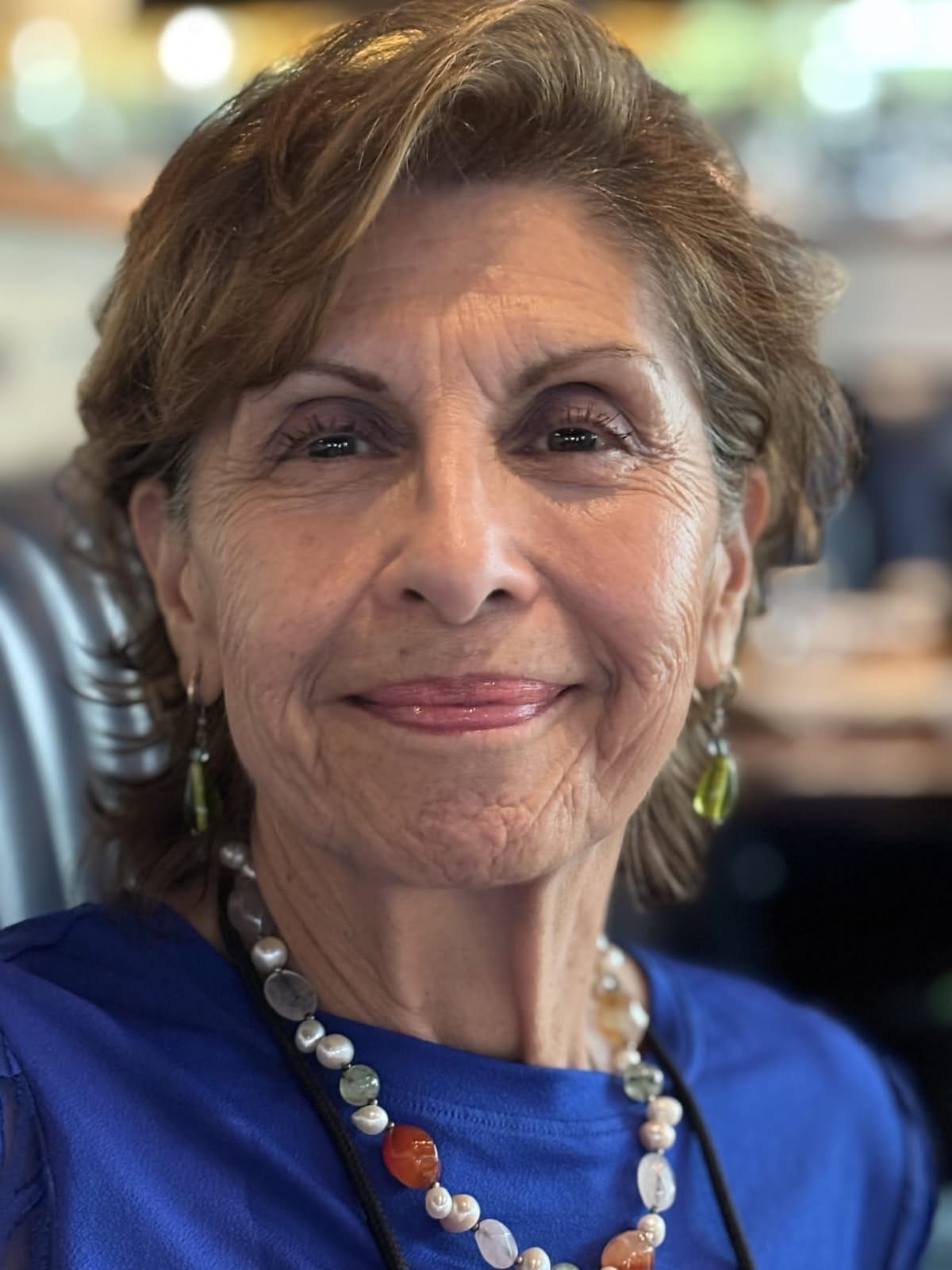
Portrait of Dr. Martha Castilleja, Co-President of the Rotary Club of World Disability Advocacy.

International Polio Day gives us an opportunity to recognize those working tirelessly to eradicate polio, remind families of the importance of childhood vaccination, and fight misinformation so every child can access life-saving vaccines.

This year, with the theme “Post-Polio Life,” Rotary Club of World Disability Advocacy (RCWDA) wants to shine a light on the estimated 12–20 million polio survivors worldwide who are now aging with the lifelong consequences of polio. Many live with permanent disabilities, and some are experiencing a second chapter of weakness, fatigue, and pain known as Post-Polio Syndrome (PPS).

Our message is simple: Every child deserves protection from polio—and every polio survivor deserves to be seen, heard, and recognized.

We owe survivors more than our admiration. We owe them appropriate healthcare, accessible environments, rehabilitation, assistive services, research, and healthcare professionals who understand their unique needs.

Polio survivors are not merely recipients of care. They are experts, advocates, educators, and leaders. Their lived experiences remind us why prevention matters and why the consequences of polio can last a lifetime.

Let us protect the future while honoring those who survived the past living with the consequences of the disease.

We see you. We hear you. We value you. We will not forget you.

Rotary World Polio Day 

Rotary International “End Polio Now” campaign graphic.

Every October 24, Rotary International unites the world to reaffirm one mission—ending polio forever. For more than 30 years, Rotary members have funded vaccines, supported health workers, and reached children in the hardest‑to‑access places.

The day also honors polio survivors, whose strength reminds us why eradication matters. Events like the Polio Survivors’ Summit amplify survivor voices and highlight the need for inclusive, resilient health systems.

Rotary World Polio Day is a global call to stay committed. We’re close to ending polio—now we must finish the job.

What is Polio?

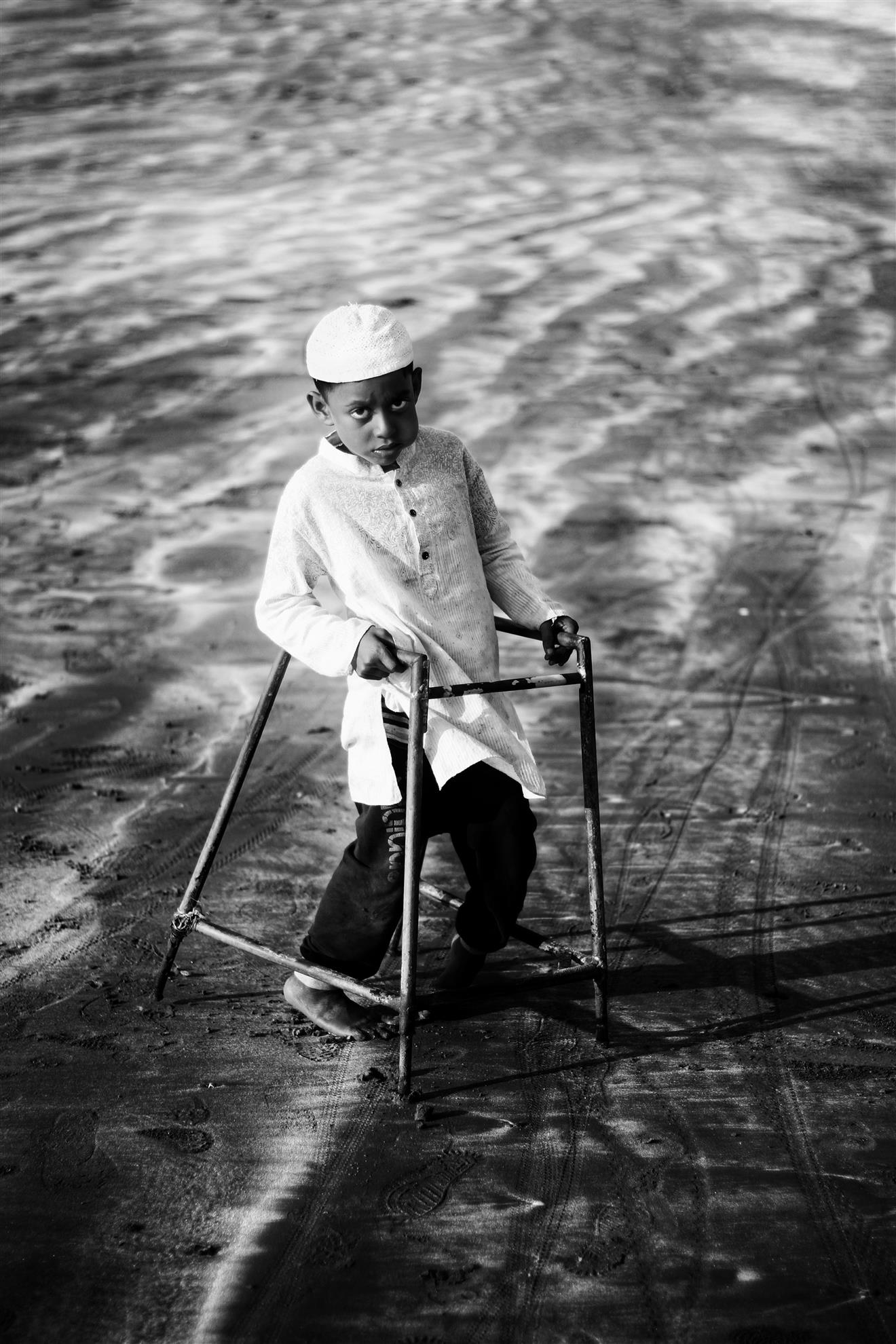
Historical black-and-white photograph of a child using a metal walking frame during polio rehabilitation.

Polio is a highly infectious viral disease that attacks the nervous system and can cause permanent paralysis, most often in young children. It spreads through contaminated water or food and multiplies in the intestines before sometimes invading the spinal cord. While most infections cause mild or no symptoms, severe cases can lead to muscle weakness, breathing difficulties, and lifelong disability. Thanks to widespread vaccination, polio has been eliminated from most of the world, but continued vigilance is essential to prevent its return.

Become An Advocate
Purple circular badge reading “I am a polio survivors advocate.”

Advocating for Polio Survivors: Practical Ways to Strengthen a Global Movement

Polio survivors around the world continue to face mobility challenges, post‑polio syndrome, and barriers to inclusion. Advocacy today means ensuring their voices, rights, and needs remain visible.

One of the most effective actions is amplifying survivor stories. Sharing their experiences through community events, social media, or Rotary programs helps shift public perception toward empowerment and dignity.

Communities can also push for accessibility improvements—ramps, inclusive classrooms, adaptive equipment, and workplace accommodations. These changes directly strengthen independence and opportunity.

Another key step is promoting accurate medical information. Many survivors struggle to find knowledgeable care for post‑polio syndrome. Educational outreach, webinars, and partnerships with health organizations help close these gaps.

Finally, supporting global vaccination efforts honors survivors’ experiences and prevents future cases. Their stories remind the world why eradication still matters.

Advocacy is simple: listen, amplify, and act. Every effort builds a more inclusive world for polio survivors.

Support RCWDA’s Work

At the Rotary Club of World Disability Advocacy (RCWDA), we remain committed to advancing accessibility, inclusive education, assistive technology, and leadership opportunities for people with disabilities worldwide. If you would like to support these efforts and help expand our impact, you are warmly invited to contribute to our work.